Blog Post
How Often Should a Fire Extinguisher Be Serviced? Complete Inspection & Maintenance Guide (2026)
Posted By: Harsh Bamnolia
Posted On : 05-Aug-2026
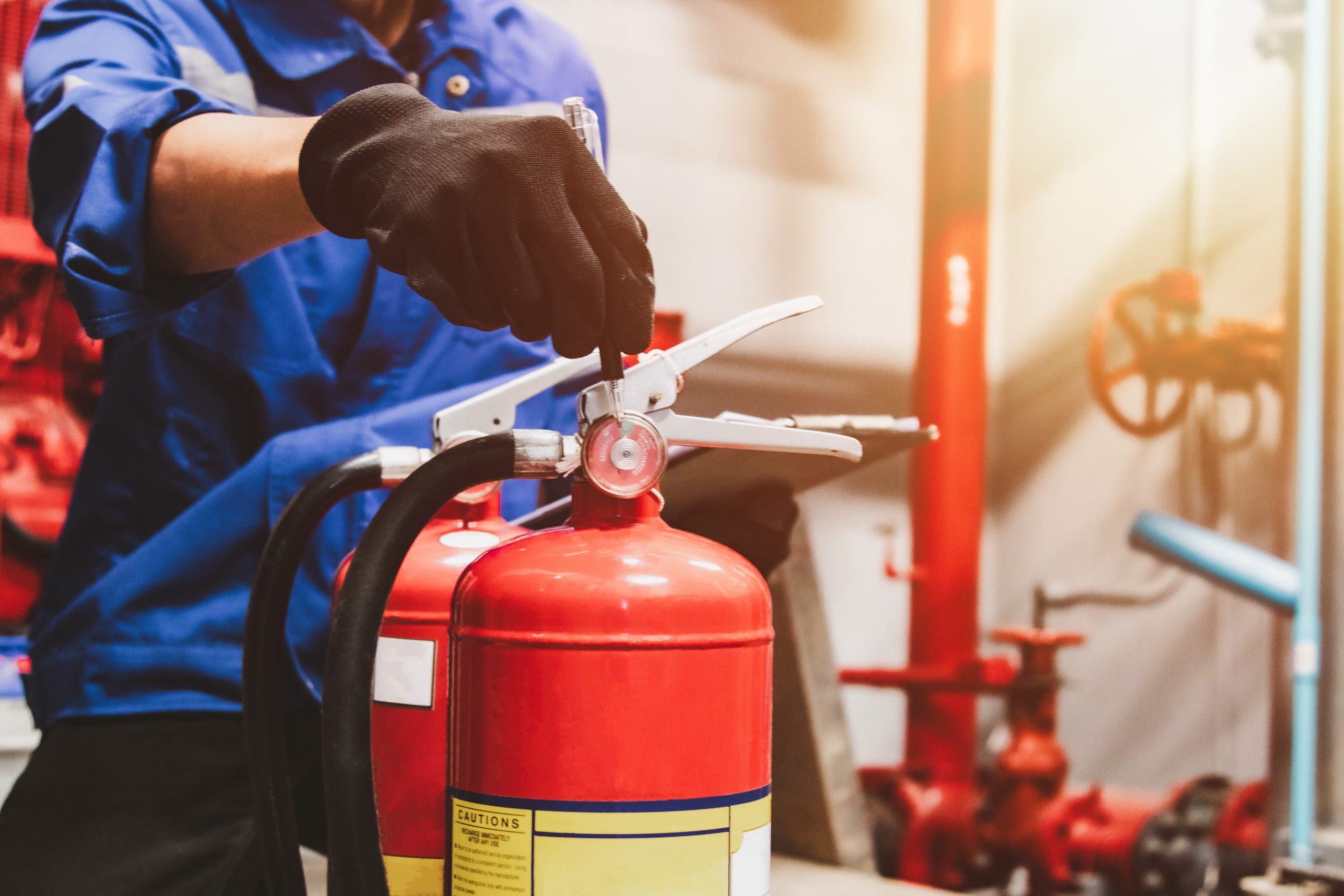
How Often Should a Fire Extinguisher Be Serviced?
Fire extinguishers are often the first line of defense
during a fire emergency, but they can only protect lives and property if
they are properly maintained. Whether installed on a commercial building,
industrial plant, warehouse, offshore platform, or ship, every fire
extinguisher must be inspected and serviced according to recognized safety
standards.
One of the most common questions asked by facility managers
and ship owners is:
How often should a fire extinguisher be serviced?
The answer depends on the type of inspection and the
extinguisher itself. Some checks are required every month, others annually,
while internal maintenance and hydrostatic pressure testing are required every 5
to 12 years, depending on the extinguisher type.
This guide explains the complete fire extinguisher servicing
schedule based on NFPA 10, SOLAS requirements, manufacturer recommendations,
and industry best practices.
Why Fire Extinguisher Servicing Is Important
A neglected extinguisher may fail when it is needed most.
Regular servicing helps:
- Ensure
the extinguisher operates correctly
- Detect
corrosion and physical damage
- Verify
correct pressure
- Confirm
the extinguishing agent remains effective
- Meet
legal and insurance requirements
- Improve
workplace and vessel safety
- Extend
equipment life
For ships, regular maintenance is also essential for
compliance during Flag State, Port State Control (PSC) and Class
Society inspections.
Fire Extinguisher Maintenance Schedule
1. Monthly Visual Inspection
Frequency: Every Month
This inspection can usually be carried out by the owner,
safety officer, or designated crew member.
Monthly Inspection Checklist
? Easily accessible
? Correct mounting position
? Safety pin and tamper seal
intact
? Pressure gauge in green zone
? No dents or corrosion
? Hose and nozzle not blocked
? Inspection label present
? Instructions readable
? No leakage
Why Monthly Inspections Matter
Small problems such as corrosion, low pressure, or
accidental discharge can be detected before they become major failures.
2. Annual Fire Extinguisher Service
Frequency: Every 12 Months
Annual servicing must be performed by a trained and
competent fire extinguisher service technician.
During annual maintenance, technicians inspect far more than
what is visible from the outside.
Annual Service Includes
- Complete
external inspection
- Pressure
verification
- Weight
measurement
- Examination
for rust or corrosion
- Valve
inspection
- Hose
inspection
- Seal
replacement if necessary
- Verification
of manufacturing date
- Service
tag update
- Functional
assessment according to manufacturer instructions
Annual servicing ensures the extinguisher is ready for
emergency use throughout the year.
3. Internal Maintenance Every 5–6 Years
Some extinguishers require complete internal examination.
Typically applicable for:
- Dry
Chemical Powder (DCP)
- Foam
Fire Extinguishers
- Water
Fire Extinguishers
- Wet
Chemical Extinguishers
Internal Maintenance Includes
- Emptying
extinguishing agent
- Internal
cylinder inspection
- Cleaning
cylinder interior
- Valve
overhaul
- O-ring
replacement
- Replacement
of extinguishing media
- Complete
recharge
- Pressure
verification
This process helps identify internal corrosion that cannot
be seen externally.
4. Hydrostatic Pressure Testing
Hydrostatic testing verifies that the cylinder can safely
withstand operating pressure.
The extinguisher is filled with water and subjected to
pressure significantly higher than its normal working pressure.
Typical Hydrostatic Test Intervals
|
Fire Extinguisher Type |
Hydro Test Interval |
|
Water |
Every 5 Years |
|
Foam |
Every 5 Years |
|
Wet Chemical |
Every 5 Years |
|
Dry Chemical (Stored Pressure) |
Every 12 Years (or manufacturer requirement) |
|
CO2 Fire Extinguisher |
Every 5–10 Years depending on regulations and manufacturer |
|
Clean Agent Extinguishers |
Manufacturer recommendations |
If the cylinder fails the hydrostatic test, it must be
permanently removed from service.
5. Recharge After Every Use
Many people believe an extinguisher can be reused after a
small discharge.
This is incorrect.
Any fire extinguisher must be recharged immediately after
use—even if only a small amount was discharged.
Reasons include:
- Loss
of internal pressure
- Reduced
extinguishing agent
- Possible
contamination
- Loss
of reliability during the next emergency
Never return a partially discharged extinguisher to service.
Fire Extinguisher Service Schedule at a Glance
|
Maintenance Activity |
Frequency |
|
Visual Inspection |
Monthly |
|
Professional Inspection |
Annually |
|
Internal Examination |
Every 5–6 Years |
|
Hydrostatic Pressure Test |
Every 5–12 Years (depends on type) |
|
Recharge |
Immediately after use |
Signs Your Fire Extinguisher Needs Immediate Service
Arrange servicing immediately if you notice:
- Pressure
gauge outside green zone
- Broken
safety seal
- Missing
inspection tag
- Visible
rust
- Dents
- Chemical
leakage
- Damaged
hose
- Loose
handle
- Missing
nozzle
- Illegible
instructions
- Expired
hydrostatic test date
Marine Fire Extinguisher Servicing Requirements
Onboard ships, portable fire extinguishers are maintained in
accordance with:
- SOLAS
Chapter II-2
- IMO
Fire Safety Systems (FSS) Code
- Flag
State requirements
- Class
Society requirements
- Manufacturer
maintenance instructions
Marine extinguishers often operate in harsh environments
involving saltwater, vibration, humidity, and temperature fluctuations, making
periodic inspection even more important.
Best Practices for Fire Extinguisher Maintenance
- Perform
monthly inspections without fail.
- Keep
extinguishers visible and unobstructed.
- Replace
damaged inspection tags immediately.
- Maintain
service records.
- Schedule
annual servicing before expiry.
- Use
only trained service technicians.
- Replace
damaged cylinders instead of repairing unsafe units.
- Follow
manufacturer instructions for every extinguisher model.
Why Choose Marinetech Safety Pvt. Ltd.?
Marinetech Safety Pvt. Ltd. provides professional fire
extinguisher inspection, testing, maintenance, recharging, and hydrostatic
testing services for:
- Merchant
Ships
- Offshore
Vessels
- Oil
& Gas Facilities
- Industries
- Warehouses
- Manufacturing
Plants
- Commercial
Buildings
- Ports
& Terminals
Our experienced service engineers perform maintenance in
accordance with applicable international standards, manufacturer procedures,
and regulatory requirements. We also maintain detailed service records and
certification to support inspections and audits.
Frequently Asked Questions (FAQs)
1. How often should a fire extinguisher be serviced?
Carry out a visual inspection every month, professional
servicing every year, internal maintenance every 5–6 years (for applicable
types), and hydrostatic testing every 5–12 years depending on the extinguisher
type.
2. Does a fire extinguisher need servicing if it has never been used?
Yes. Extinguishers require regular inspections and
maintenance even if they have never been discharged, as pressure loss,
corrosion, or component deterioration can occur over time.
3. What happens if a fire extinguisher fails a hydrostatic test?
A cylinder that fails hydrostatic testing is considered
unsafe and must be permanently removed from service and replaced.
4. Can I inspect my own fire extinguisher?
You can perform the monthly visual inspection, but annual
servicing, internal maintenance, recharging, and hydrostatic testing should be
carried out by trained technicians using appropriate equipment.
5. Do CO2 fire extinguishers have different servicing requirements?
Yes. CO2 extinguishers require periodic hydrostatic testing,
typically every 5–10 years depending on applicable regulations and manufacturer
instructions, in addition to regular inspections and annual servicing.
Conclusion
Regular fire extinguisher servicing is a critical part of
any fire safety program. Monthly inspections, annual professional maintenance,
scheduled internal examinations, hydrostatic testing, and prompt recharging
after use help ensure extinguishers remain reliable when emergencies occur. By
following a structured maintenance schedule, organizations can enhance safety,
extend equipment life, and meet regulatory compliance requirements.
Contact us
Service email : info@marinetechss.com
Phone : +91 88664 75732 | +91 72270 38216
Get a free quote for cargo gearload testing
Related Blog
1. Cargo Gear Load Testing in India: Requirements,Process & How Marinetech Helps
2. FireExtinguisher Service | Inspection, Refilling & Maintenance