Blog Post
The Significance of Hand Flares in Lifeboat Operations: A Comprehensive Overview
Posted By: Harsh Bamnolia
Posted On : 30-Apr-2024
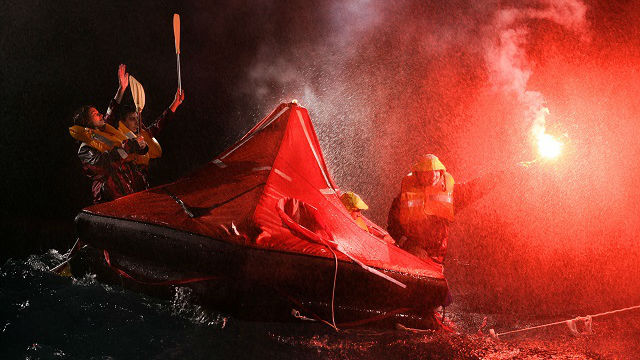
What are Hand Flares?
Hand flares are compact pyrotechnic devices used primarily for distress signaling, producing a bright, colored frame, typically red, that's visible from great distances and universally recognized as a call for help. Designed to function in a wide range of weather conditions, including rain and fog, hand flares are a standard piece of lifeboat safety equipment.
Why Hand Flares are Important in a Lifeboat
1. Immediate Distress Signaling
Once a vessel is abandoned, time is critical. Hand flares offer a fast, effective way to signal for help, helping rescue teams locate the lifeboat quickly.
2. Visibility in Low Light and Poor Weather
Emergencies don't wait for good conditions. Hand flares emit a bright, intense light capable of cutting through darkness, fog, and heavy rain, ensuring the lifeboat can be spotted by rescue teams, passing ships or aircraft.
3. Universally Recognized Signal
The red light emitted by hand flares is recognized worldwide as a distress signal, regardless of language or nationality, a critical factor in ensuring a fast, correct response from anyone who spots it.
4. Simple, Reliable Operation
Hand flares use a straightforward mechanism, typically pulling a tab or striking a cap, designed to be operable quickly, even under stress and by crew with minimal training.
5. Build for Harsh Marine Conditions
Constructed from robust, corrosion-resistant materials, hand flares are designed to withstand saltwater exposure, high humidity and rough handling without compromising function.
6. Compact and Space-Efficient
Lifeboat space is limited, and hand flares are small and lightweight enough to store easily with emergency kits, always accessible without taking up valuable space.
7. Cost-Effective Protection
Compared to many other signaling devices, hand flares are relatively inexpensive, offering strong safety value for their cost.
Key Hand Flare Specifications
| Feature | Detail |
| Light Output | High-intensity, visible over long distances |
| Burn Time | Typically at least 60 seconds |
| Weather Resistance | Waterproof and weatherproof for reliable use in rain or after submersion |
| Ignition | Simple pull-tab or strike cap mechanism |
| Construction | Corrosion-resistant materials built for marine conditions |
| Safety Design | Features to prevent accidental ignition during storage or handling |
Features of Hand Flares in Lifeboat
1. High-Intensity Light
Hand flares are designed to produce a high-intensity light that is visible over long distances. This feature is crucial for ensuring that the distress signal can be seen by rescue teams, other ships, and aircraft.
The bright light emitted by the flare helps to pinpoint the lifeboat's location, facilitating a quicker rescue.
2. Long Burn Time
A key feature of hand flares is their long burn time. Most hand flares are designed to burn for at least one minute, providing ample time for the signal to be noticed.
This extended burn time increases the likelihood that the distress signal will be seen by passing vessels or aircraft.
3. Waterproof and Weatherproof
Hand flares are built to function in all weather conditions. They are waterproof, ensuring that they can be used even in heavy rain or after being submerged in water.
This weatherproof capability is essential for ensuring that the flares can be used effectively in the challenging conditions often encountered at sea.
4. Easy Ignition Mechanism
The ignition mechanism of hand flares is designed to be simple and straightforward. Typically, it involves pulling a tab or striking a cap, which ignites the flare.
This easy-to-use design ensures that the flares can be deployed quickly and efficiently, even under stressful conditions.
5. Robust Construction
Hand flares are constructed from durable materials that can withstand the rigors of the maritime environment. They are resistant to corrosion and damage from saltwater, ensuring that they remain functional even after prolonged exposure to the elements.
6. Compact Size
The compact size of hand flares makes them easy to store and handle. They can be conveniently placed in the lifeboat's emergency kit or within easy reach of the crew.
Their small size does not compromise their effectiveness, making them an ideal choice for maritime signaling.
7. Safety Features
Many hand flares are designed with safety features to prevent accidental ignition. These features ensure that the flares can be handled and stored safely without the risk of accidental activation.
This safety consideration is crucial for maintaining the overall safety of the lifeboat and its occupants.
Hand flares are just one type of pyrotechnic signaling device a lifeboat or liferaft should carry. For a complete breakdown of all essential pyrotechnic types, see our guide to essential pyrotechnics for ships.
Frequently Asked Questions (FAQs)
Q. Why is a hand flare important on a lifeboat?
A. A hand flare provides an immediate, highly visible distress signal that helps rescue teams locate a lifeboat quickly, working reliably even in low light, fog or rough weather.
Q. How long does a hand flare burn?
A. Most hand flares are designed to burn for at least 60 seconds, giving ample time for the signal to be noticed by passing vessels or aircraft.
Q. Why are hand flares red?
A. Red is the internationally recognized color for maritime distress signals, ensuring the flare is understood as a call for help regardless of the observer's language or nationality.
Q. Are hand flares waterproof?
A. Yes, hand flares are built to be waterproof and weatherproof, allowing them to function reliably even in heavy rain or after exposure to water.
Conclusion
Hand flares remain one of the most reliable, cost-effective distress signaling tools a lifeboat can carry, combining high visibility, universal recognition and simple operation into a compact, weatherproof device. Equipping every lifeboat with quality hand flares is a small investment that can make a decisive difference during a rescue. Contact Marinetech Safety Pvt. Ltd. to explore our full range of SOLAS-compliant pyrotechnic signaling equipment.
Supply Email: supply@marinetechss.com
Phone: +91 8866475732 | +91 7227038216