Blog Post
Life Saving Appliances Explained: Your Complete Guide to Essential Safety Gear
Posted By: Harsh Bamnolia
Posted On : 21-Dec-2023
What are Life Saving Appliances?
Maritime journeys carry inherent risk, and a vessel's readiness for the unexpected rests on its life saving appliances (LSA), the complete set of equipment designed to protect crew and passengers if the worst happens. LSA isn't a single item; it's an entire category spanning personal protection, distress signaling, emergency communication, rescue craft and more. This guide walks through each category and what it contributes to overall maritime safety.
Life Saving Appliances by Category
Personal Protection Equipment
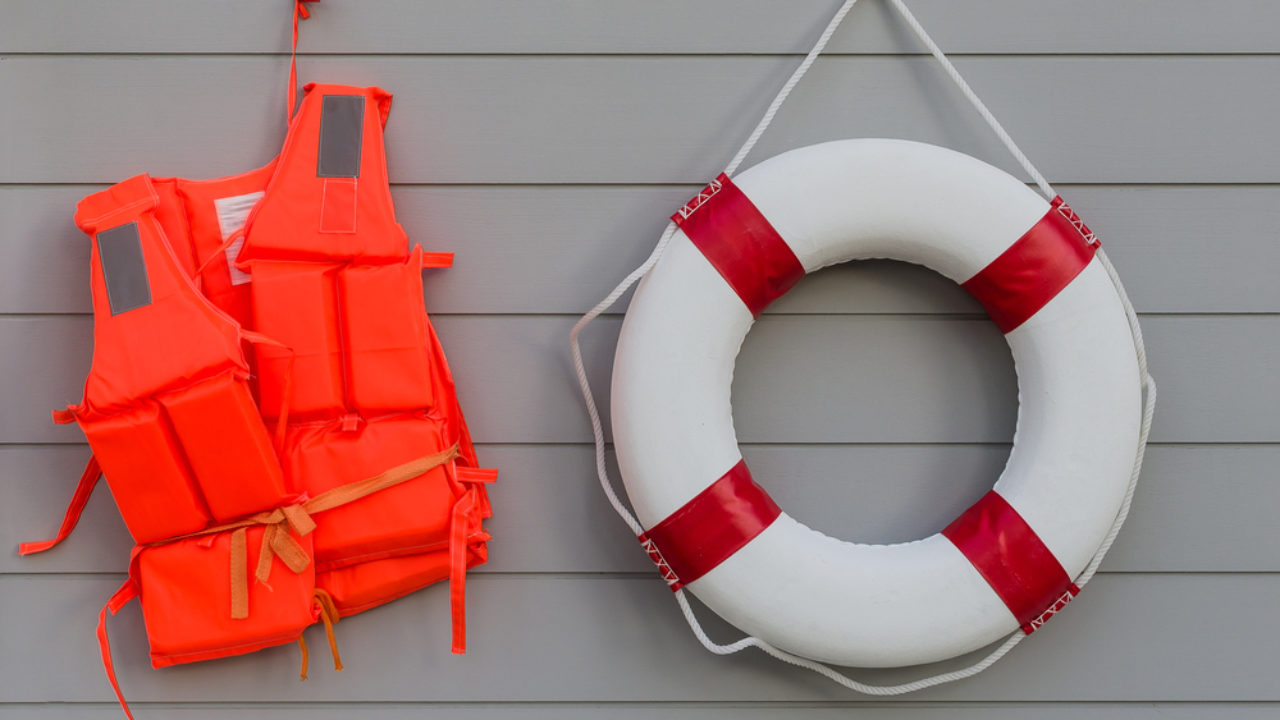
Life Jackets: Buoyant vests, available in inflatable and foam variations, that keep wearers afloat if they fall overboard. Correct fit, inflation technique and maintenance are essential to their effectiveness.
Immersion Suits: Insulating neoprene suits that protect against hypothermia and cold shock in frigid waters. Quick donning and a snug fit are critical to their protective value.
Survival Suits: Versatile protection for both cold and tropical waters, extending survival time while awaiting rescue, with features like watertight closures for added effectiveness.
Visual Distress Signals
Lifebuoys: Buoyant rings with attached lines, often paired with SI lights for extended nighttime visibility, offering immediate assistance to someone in the water.
Floating Smoke Signals: Dense orange smoke devices that attract attention over long distances when visibility is limited.
Line-Throwing Appliances: Devices that launch a lightweight line toward a rescue vessel or shore, establishing a secure connection for rescue or towing.
For a deeper breakdown of pyrotechnic based distress signals, including flare specifications and SOLAS requirements, see our complete guide on 5 essential pyrotechnics for ships.
Emergency Communication and Distress Alerting
Emergency Position-Indicating Radio Beacons (EPIRBs): Transmit distress signals on 406 MHz to orbiting satellites, triggering search and rescue operations.
Search and Rescue Transponders (SARTs): Activated by radar signals from nearby rescue vessels to pinpoint a distressed vessel's exact location.
Marine VHF Radios: Enable short-range communication with nearby vessels and shore stations during an emergency.
EPIRBs, SARTs and VHF radios are part of the broader GMDSS system, see our complete guides on the complete GMDSS equipment checklist for ships and understanding GMDSS radio survey and its importance for full technical detail and compliance requirements.
Rescue and Evacuation Equipment
Rescue Boats: Rigid or inflatable craft ready to deploy rescue teams or evacuate personnel from a distressed vessel, requiring crew familiarity with launch and operation procedures.
Lifeboats and Liferafts: The primary evacuation platforms for abandoning ship, each with distinct equipment, capacities and deployment procedures.
For dedicated deep dives, see our guides on a complete guide of essential lifeboat equipment for ship safety protocols and the complete checklist of liferaft equipment you need for maritime safety.
Onboard Emergency Response Equipment
- First-Aid Kits: Provide vital medical support for injuries and emergencies until advanced care is available.
- Firefighting Equipment: Fire extinguishers, hoses and protective gear that form the frontline defense against onboard fires.
For complete coverage of fire safety systems, see our guides on understanding the 6 key benefits of fixed fire fighting systems on ships and top 7 benefits of fire fighting equipment on ships.
LSA Category Summary
| Category | Key Equipment |
| Personal Protection | Life jackets, immersion suits, survival suits |
| Visual Distress Signals | Lifebuoys, smoke signals, line-throwing appliances |
| Emergency Communication | EPIRBs, SARTs, marine VHF radios |
| Rescue and Evacuation | Rescue boats, lifeboats, liferafts |
| Onboard Emergency Response | First-aid kits, firefighting equipment |
Benefits of a Complete Life Saving Appliances Inventory
Reduced Response Times: Faster distress alerting through satellites and automated systems shortens the widow between emergency and rescue.
Improved Communication: Reliable channels enable effective coordination between vessel, shore stations and rescue teams, regardless of location or weather.
Increased Crew and Passenger Confidence: Knowing the vessel carries proven safety equipment fosters a sense of security and preparedness.
Reduced Risk: Proactively equipping a vessel with life saving tools creates a measurably safer environment for every voyage.
Regulatory Compliance: A complete LSA inventory ensures adherence to international maritime regulations, avoiding legal or insurance complications
Building a Culture of Safety Around LSA
Owning the equipment is only the first step. A genuine safety culture also requires:
Regular Maintenance and Testing: Scheduled inspection, testing and proper storage keep every piece of LSA equipment ready to perform when needed.
Crew Training and Drills: Regular training on deployment procedures, communication protocols and emergency response turns crew into an active part of the safety system.
Ongoing Regulatory Compliance: Staying current with SOLAS and related international regulations ensures LSA equipment continues to meet required standards.
Frequently Asked Questions (FAQs)
Q. What are life saving appliances (LSA) on a ship?
A. Life saving appliances are the complete set of safety equipment carried aboard a vessel to protect crew and passengers during an emergency, including personal protective gear, distress signals, communication devices and rescue craft.
Q. What categories of equipment fall under LSA?
A. LSA typically spans personal protection equipment (life jacket, immersion suits), visual distress signals (lifebuoys, smoke signals), emergency communication devices (EPIRBs, SARTs, VHF radios), rescue and evacuation equipment (lifeboats, liferafts, rescue boats) and onboard emergency response gear (first-aid kits, firefighting equipment).
Q. How often should LSA equipment be inspected?
A. LSA equipment should be inspected and maintained at intervals set by SOLAS and flag-state regulations, with routine crew checks supplemented by periodic servicing from certified providers.
Q. Which ports does Marinetech provide LSA servicing at?
A. Marinetech Safety Pvt. Ltd. provides authorized servicing at major ports including all major ports across India, including Mumbai, Nhava Sheva (JNPT), Kandla, Mundra, Pipavav, Hazira, Dahej, Goa, Mangalore, Kochi, Chennai, Ennore, Visakhapatnam, Paradip, Haldia, Kolkata, Tuticorin, Dhamra, Kakinada, Vadinar and Sikka. Our experienced technicians carry out SOLAS compliant inspections, maintenance, load testing, repairs and certification to help vessels maintain safety and regulatory compliance with minimal operational downtime.
Conclusion
A complete life saving appliances inventory is the backbone of maritime emergency preparedness, spanning personal protection, distress signaling, communication, rescue craft and onboard response equipment. Prioritizing LSA alongside regular maintenance and crew training is a direct investment in the safety of everyone onboard. Contact Marinetech Safety Pvt. Ltd. to book life-saving appliances servicing today.