Blog Post
Why Regular Lifeboat Servicing is Vital for Compliance and Safety Standards
Posted By: Harsh Bamnolia
Posted On : 04-Sep-2023
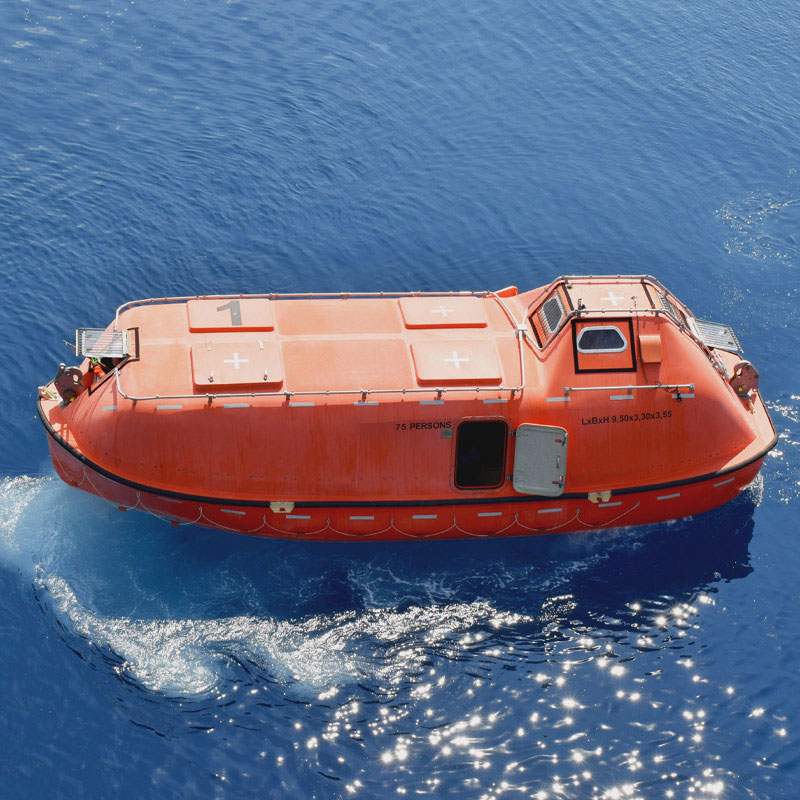
Why Regular Lifeboat Servicing is Vital for Compliance and Safety Standards
Safety at sea is non-negotiable and lifeboats represent the last represent the last resort when everything else fails. Yet a lifeboat is only as dependable as its upkeep. Regular lifeboat servicing ensures these critical vessels function exactly as intended the moment they're needed most, and keeps shipowners compliant with international maritime regulations.
Why Lifeboat Servicing at Regular Intervals Matters?
Reliability During Emergencies
Lifeboats must launch swiftly and function flawlessly during an emergency evacuation. Regular servicing including checks on engines, launching systems and buoyancy chambers significantly reduces the risk of malfunction at the exact moment it matters most.Compliance with SOLAS Regulations
International and national maritime regulations, including the SOLAS Convention, mandate regular lifeboat servicing. Compliance isn't just a legal obligation, it's a moral responsibility to protect seafarers. Neglecting servicing can result in penalties, vessel detention or worse.Preventing Corrosion and Deterioration
Constant exposure to saltwater and harsh maritime conditions accelerates corrosion and structural deterioration. Regular servicing inspects and maintains structural integrity, keeping lifeboats seaworthy over the long term.Ensuring Operational Readiness
There's no room for delay during a maritime emergency. Regular servicing, testing release mechanisms, examining control systems and checking equipment like oars and life jackets guarantees lifeboats are ready to deploy at any moment.Extending Lifeboat Lifespan
Lifeboats represent a significant capital investment. Routine servicing catches minor issues before they escalate, helping shipowners avoid costly repairs or premature replacement.Enhancing Safety for Crew and Passengers
A well-maintained lifeboat significantly reduces the risk of accidents or injuries during evacuation, a critical factor when vulnerable individuals, such as children or elderly passengers are onboard.
What to Look Out for in Lifeboat Servicing
A thorough lifeboat servicing program should include the following checks:
| Servicing Area | What's Checked |
| Engine Maintenance | Fuel systems, spark plugs, lubrication and overall engine condition |
| Launching & Recovery Systems | Smooth, safe operation of launch and recovery mechanisms |
| Buoyancy Chambers | Inspection for damage or leaks that could compromise buoyancy |
| Navigation Equipment | Compasses, lights and communication devices |
| Safety Equipment | Life jackets, flares and first-aid kits are present, accessible and has expiry dates |
| Structural Integrity | Hull, valves and hatches checked for corrosion or damage |
How Technology is Transforming Lifeboat Servicing
Modern diagnostic tools have made lifeboat servicing more precise and efficient than ever:
Ultrasonic Thickness Gauges measure hull and structural component thickness to detect thinning areas before they become critical weaknesses.
Digital Inspection Reports provide comprehensive, easily stored records of a lifeboat's condition, simplifying servicing history tracking for shipowners and authorities.
Remote Monitoring delivers real-time data on lifeboat status and performance, enabling a proactive response to emerging issues.
Predictive Maintenance uses advanced algorithms and sensors to forecast component failure based on condition and usage, helping prevent unexpected breakdowns.
Training Simulators give crew members a realistic, safe environment to practice lifeboat servicing and operating procedures.
Frequently Asked Questions (FAQs)
Q. Why is regular lifeboat servicing important?
A. Regular lifeboat servicing ensures reliability during emergencies, keeps vessel compliant with SOLAS regulations, prevents corrosion and structural deterioration, extends lifeboat lifespan and protect the safety of crew and passengers.
Q. What does a typical lifeboat servicing check include?
A. A thorough service typically covers engine maintenance, launching and recovery systems, buoyancy chambers, navigation equipment, safety equipment and overall structural integrity.
Q. How often should lifeboats be serviced?
A. Lifeboat servicing intervals are set by SOLAS and flag-state regulations, and generally routine inspections along with periodic, more comprehensive servicing performed by certified providers.
Q. Who should perform lifeboat servicing?
A. Lifeboat servicing should be carried out by certified, experienced providers equipped with the right diagnostic tools and expertise, such as Marinetech Safety Pvt. Ltd.
Q. Which ports does Marinetech provide lifeboat servicing at?
A. Marinetech Safety Pvt. Ltd. provides authorized lifeboat servicing at major ports across India, including Mumbai, Nhava Sheva (JNPT), Kandla, Mundra, Pipavav, Hazira, Dahej, Goa, Mangalore, Kochi, Chennai, Ennore, Visakhapatnam, Paradip, Haldia, Kolkata, Tuticorin, Dhamra, Kakinada, Vadinar and Sikka. Our experienced technicians carry out SOLAS compliant inspections, maintenance, load testing, repairs and certification to help vessels maintain safety and regulatory compliance with minimal operational downtime.
Conclusion
Lifeboat servicing at regular intervals isn't just a regulatory checkbox, it's a fundamental pillar of maritime safety and the protection of lives at sea. From preventing corrosion to ensuring operational readiness, consistent servicing keeps a vessel's last line of defense fully dependable when it matters most. Keep your lifeboats deployment ready. Contact Marinetech Safety Pvt. Ltd. for comprehensive lifeboat inspection and servicing backed by advanced technology and maritime expertise.