Blog Post
When Should You Use a Rocket Parachute Flare During an Emergency?
Posted By: Harsh Bamnolia
Posted On : 18-Sep-2025
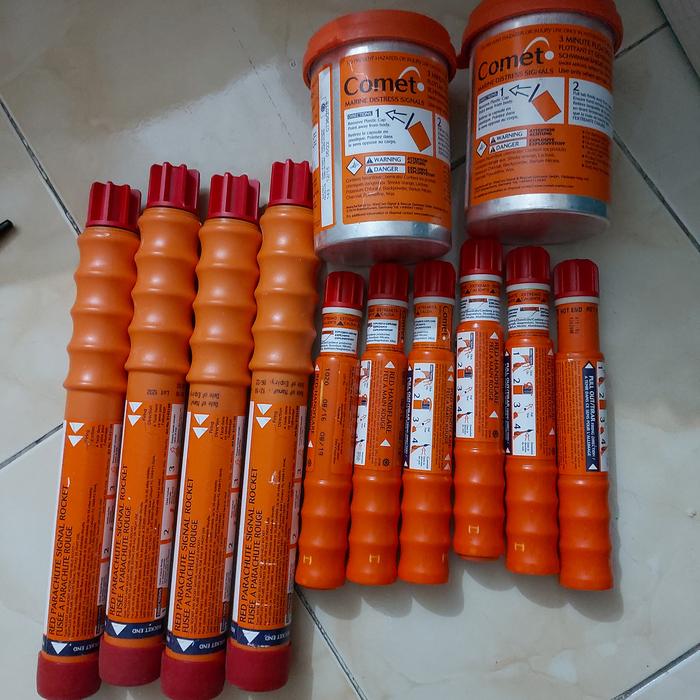
When Should You Use a Rocket Parachute Flare During an Emergency?
A rocket parachute flare is a vital piece of emergency signaling equipment used at sea to alert rescuers of distress, especially when visual detection becomes the only option.
In emergency maritime situations, knowing when and how to deploy a rocket parachute flare can make the difference between timely rescue and prolonged danger.
In this guide, we’ll explain what a rocket parachute flare is, how it functions, and most importantly—when it should be used to maximize safety and effectiveness in emergency scenarios at sea.
What Is a Rocket Parachute Flare?
A rocket parachute flare is a type of pyrotechnic distress signal specifically designed for long-range visibility. It consists of a flare projectile housed within a launching tube that, when ignited, fires high into the sky using a rocket motor.
Once at altitude (typically 300 meters or more), the flare deploys a parachute to slow its descent, burning with a bright red light for 30 to 40 seconds.
Key features of a rocket parachute flare include:
Altitude reach: 300 meters or more
Burn duration: ~40 seconds
Visibility range: Up to 30 miles at night
Color: Bright red, as mandated by SOLAS regulations
Purpose: Long-distance location signaling
The rocket parachute flare is an essential part of SOLAS-approved survival craft distress signal kits and is typically found in life rafts, lifeboats, and emergency grab bags.
When Should You Use a Rocket Parachute Flare During an Emergency?
Understanding when to use a rocket parachute flare is critical for safety, effectiveness, and regulatory compliance. According to maritime safety experts and SOLAS guidelines, here are the ideal conditions and scenarios for deploying one:
1. When You See a Potential Rescuer Nearby
A rocket parachute flare should be used only when you see or hear an aircraft, ship, or person nearby who might be able to assist. Its bright red flame and altitude are designed to catch the attention of rescuers. Using it prematurely or in low-traffic areas may waste a valuable signal.
2. During Clear Weather and Good Visibility
A rocket parachute flare is most effective when visibility is clear—day or night. In foggy or stormy weather, the flare’s reach may be reduced. However, at night, the flare’s brightness can be seen from miles away, making it even more effective.
3. As a Part of a Distress Signal Series
According to SOLAS Chapter III, distress signals must follow a pattern, which includes sound, radio, and visual alerts. A rocket parachute flare is part of this sequence. Never rely solely on one flare—it's best to deploy them intermittently when there's a reasonable chance someone will see it.
4. When Communication Systems Fail
If radio, AIS, EPIRB, or satellite communication is down, rocket parachute flares become your only remaining method of visual distress communication. They're especially vital when drifting or in liferafts after abandoning ship.
5. As Directed by the Master or Emergency Crew
Only trained personnel or those instructed by ship emergency protocols should deploy the flare. It's critical that rocket parachute flares are used judiciously and not in panic or without visibility of potential rescuers.
How to Safely Use a Rocket Parachute Flare Onboard
Safety is paramount when using a rocket parachute flare as it involves intense heat and explosive propulsion. Improper use can cause injuries or fires.
Here’s a step-by-step guide:
Read Instructions on the Label: Every flare has clear printed instructions. Read them carefully before activation.
Check Wind Direction: Stand with your back to the wind to avoid the flare drifting toward you or the vessel.
Remove Safety Cap: Unscrew or pull off the safety cap to access the ignition trigger.
Hold Upright: Keep the flare pointed straight up, away from yourself and others.
Pull the Trigger: Use the firing pin or pull cord to launch.
Maintain Position: Stay still while the flare launches and burns.
Monitor Descent: Watch the flare’s path to ensure proper visibility.
Warning: Never attempt to relight or handle a malfunctioning rocket parachute flare. Dispose of it according to local maritime authority protocols.
How Many Rocket Parachute Flares Are Required Under SOLAS?
The SOLAS (Safety of Life at Sea) Convention specifies the minimum number of rocket parachute flares that must be available on board seagoing vessels:
Lifeboats: Minimum of 4 rocket parachute flares
Life rafts: Also minimum of 4 rocket parachute flares
Bridge Emergency Locker: Additional stock for use from the vessel
These must be:
SOLAS-approved
Stored in waterproof containers
Marked with expiry dates
Inspected annually during vessel surveys
Expired rocket parachute flares must be replaced immediately and disposed of safely, often through specialized disposal centers.
Important Safety Considerations
Using a rocket parachute flare requires more than just pulling a cord. Improper use could lead to injury or the loss of a critical distress signal. Below are some tips and precautions:
Never fire indoors or near fuel sources
Do not look into the flare barrel
Keep flares away from children
Store in cool, dry areas below deck
Ensure proper disposal of expired units
Mariners should undergo regular safety drills and training that include the correct deployment of rocket parachute flares, as required by SOLAS Chapter VI.
Final Thoughts: Timing and Judgment Save Lives
A rocket parachute flare is a powerful distress signal, but its effectiveness depends entirely on the timing of its use, the environmental conditions, and the awareness of those using it. It’s not just about firing a signal—it’s about communicating an emergency in the most effective way possible.
To stay compliant and safe, make sure:
Your vessel has the correct number of rocket parachute flares
All units are within expiry
The crew is trained and aware of usage protocols