Blog Post
What is an EEBD? Function, SOLAS Requirements and More
Posted By: Harsh Bamnolia
Posted On : 23-Feb-2024
What Does EEBD Stand for?
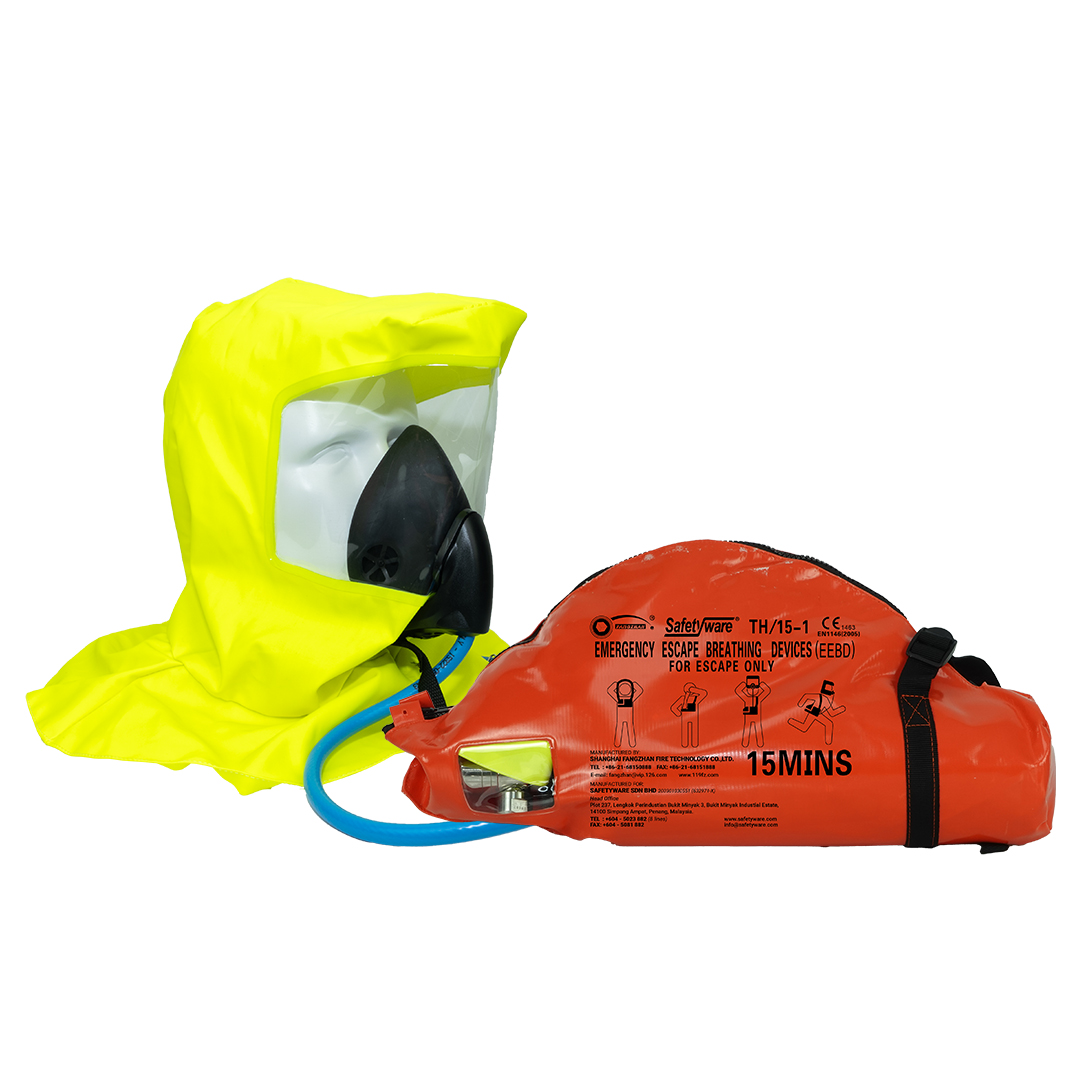
EEBD stands for Emergency Escape Breathing Device, a compact, self-contained breathing apparatus designed to give wearers a temporary supply of clean air during an onboard emergency. In a fire or flooding scenario, an EEBD provides the precious minutes needed to move through hazardous conditions and reach fresh air or a place of safety.
How Does an EEBD Work?
An EEBD is a self-contained device that supplies breathable air for a limited duration, allowing a crew member to escape a smoke-filled or hazardous space safely. Unlike firefighting breathing apparatus, EEBDs are designed strictly for escape, not for extended firefighting or rescue operations giving wearers just enough time to reach safety.
EEBD Requirements Under SOLAS
The International Maritime Organization (IMO) establishes EEBD requirements under SOLAS Chapter II-2, setting minimum equipment level based on vessel type.
Cargo Ships
| Requirement | Detail |
| Minimum EEBDs | At least 2 within accommodation spaces |
| Spare Devices | Additional units required based on personnel onboard |
Passenger Ships
| Passenger Capacity | EEBD Requirement |
| Up to 36 passengers | 2 EEBDs per main vertical zone |
| Above 36 passengers | 4 EEBDs per main vertical zone |
| Spares | Required based on passenger and crew numbers |
Machinery Spaces
The number of EEBDs required in machinery spaces depends on layout and personnel present. Consultation with a classification society is recommended for an accurate assessment.
Important Note: These SOLAS figures represent minimum requirements carrying additional EEBDs beyond the minimum is always encouraged for enhanced crew safety.
Why Following EEBD Requirements Matters
Enhanced Crew Safety: Providing crew members with EEBDs increases their chances of safe escape during an emergency, directly protecting their well-being.
Regulatory Compliance: Meeting SOLAS EEBD requirements avoids legal repercussions and protects a vessel's operational license.
Peace of Mind and Reduced Risk: Equipping a vessel with EEBDs provides confidence that every reasonable precaution has been taken to prepare for the unexpected.
Increased Considerations: Some insurers offer reduced premiums for vessels that comply with SOLAS EEBD requirements.
Frequently Asked Questions (FAQs)
Q. What does EEBD stand for?
A. EEBD stands for Emergency Escape Breathing Device, a self-contained apparatus that provides a temporary supply of clean air to help crew members escape a hazardous space during an emergency.
Q. How many EEBDs are required on a cargo ship?
A. Cargo ships must carry at least 2 EEBDs within accommodation spaces under SOLAS, with additional spare devices required based on the number of onboard personnel.
Q. What is the difference between an EEBD and firefighting breathing apparatus?
A. An EEBD is designed strictly for escape, providing a limited air supply to help someone exit a hazardous area, while firefighting breathing apparatus is designed for extended use during active firefighting or rescue operations.
Q. Where should EEBDs be located on a ship?
A. EEBDs should be readily accessible within accommodation spaces, machinery spaces and other areas identified by SOLAS requirements and vessel-specific risk assessments, ensuring crew can reach one quickly during an emergency.
Q. Which ports does Marintech provide EEBDs at?
A. Marinetech Safety Pvt. Ltd. provides EEBDs at major ports across India, including Mumbai, Nhava Sheva (JNPT), Kandla, Mundra, Pipavav, Hazira, Dahej, Goa, Mangalore, Kochi, Chennai, Ennore, Visakhapatnam, Paradip, Haldia, Kolkata, Tuticorin, Dhamra, Kakinada, Vadinar and Sikka.
Conclusion
An EEBD offers exactly what its name promises, an extra breath of safety when it matters most. Understanding and meeting SOLAS EEBD requirements isn't just about regulatory compliance; it's a direct investment in giving crew members the best possible chance of escape during an onboard emergency. Contact Marinetech Safety Pvt. Ltd. to explore our full range of EEBDs and other essential safety equipment.
Supply Email: supply@marinetechss.com
Phone: +91 8866475732 | +91 7227038216
Related Reading: Step-by-Step Instruction for Properly Using EEBD in Emergency Situations