Blog Post
What Is a SOLAS Life Raft and Why Is It Mandatory on Ships?
Posted By: Harsh Bamnolia
Posted On : 18-Sep-2025
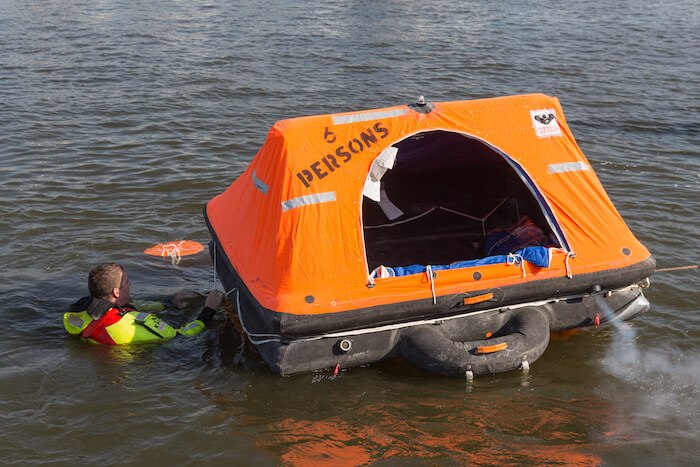
What Is a SOLAS Life Raft and Why Is It Mandatory on Ships?
A SOLAS life raft is an essential life-saving appliance on board seagoing vessels, designed to meet stringent safety regulations outlined in the International Convention for the Safety of Life at Sea (SOLAS).
The purpose of a SOLAS life raft is to provide emergency shelter and survival support to crew and passengers if abandoning the ship becomes necessary.
Understanding what a SOLAS life raft is, why it’s mandatory, and how it differs from non-SOLAS life rafts is critical for shipowners, marine officers, and seafarers operating in international waters.
In this blog, we dive deep into its features, regulations, deployment, and compliance requirements.
What Makes a Life Raft a “SOLAS Life Raft”?
The term SOLAS life raft refers to an inflatable life raft that conforms to the requirements set by SOLAS Chapter III, which governs life-saving appliances and arrangements on board commercial ships.
These rafts are designed to survive extreme marine conditions and are mandatory on vessels subject to international maritime law.
A SOLAS life raft differs from standard life rafts in the following ways:
Higher safety standards: Including flame resistance, buoyancy, and structural integrity under stress.
Enhanced survival gear: Including thermal blankets, food rations, water packs, distress signals, and sea sickness tablets.
Minimum capacity: Must accommodate at least six persons, with larger versions for up to 150.
Self-righting feature: If capsized, a SOLAS life raft can right itself automatically.
Buoyant canopy: Designed to protect occupants from wind, cold, and exposure.
This comprehensive equipment makes a SOLAS life raft far more suitable for open sea voyages where rescue could take hours or even days.
Why Is a SOLAS Life Raft Mandatory on Ships?
The SOLAS Convention, enforced by the International Maritime Organization (IMO), mandates that all commercial vessels traveling in international waters carry SOLAS life rafts sufficient for all persons on board. This rule stems from real-life maritime tragedies where the absence or failure of life-saving appliances led to significant loss of life.
The primary reasons behind the requirement include:
1. Emergency Preparedness
Ships may encounter emergencies like fires, flooding, or capsizing. A SOLAS life raft ensures passengers and crew have a safe evacuation alternative.
2. Survival at Sea
Unlike non-SOLAS life rafts, which may lack critical survival tools, a SOLAS life raft includes emergency supplies like:
Pyrotechnic signals (rocket flares, smoke signals)
Water and food for up to 3 days
First aid kit
Sea anchor and paddles
3. Legal Compliance
Vessels that fail to carry a SOLAS life raft face legal action, penalties, and detention by Port State Control authorities.
4. International Certification
Only SOLAS-compliant life rafts are accepted by maritime regulatory bodies for commercial shipping. They must bear a certificate of conformity issued by an authorized body.
This is why having a SOLAS life raft onboard is not optional—it’s a matter of legal and moral responsibility
Where Are SOLAS Life Rafts Typically Installed?
The placement of a SOLAS life raft onboard is governed by detailed IMO regulations to ensure they are easily deployable in emergencies. Common placements include:
Near bridge wings and lifeboat stations
At port and starboard midship
Aft decks on larger vessels
Most SOLAS life rafts are enclosed in polyethylene or aluminum canisters that are mounted on racks and connected to hydrostatic release units (HRUs). These HRUs automatically launch the raft if the ship sinks, allowing the life raft to float free and inflate without manual intervention.
There are two main deployment types:
Throw-overboard type
Davit-launched type
Both types must be serviced regularly and undergo hydrostatic release unit replacement every 2 years to stay SOLAS-compliant.
How Is a SOLAS Life Raft Maintained and Inspected?
Maintaining a SOLAS life raft is as critical as owning one. Regular inspections ensure the raft is operational and legally compliant. Here's how it’s done:
1. Annual Servicing
Every SOLAS life raft must be serviced once every 12 months at an authorized service station. This includes:
Inflating the raft to check for leaks
Replacing expired survival equipment (food rations, flares, batteries)
Testing hydrostatic release units
Repacking the raft under vacuum seal
2. SOLAS-Approved Service Centers
Only IMO-authorized centers can conduct valid inspections and issue compliance certificates. Each raft gets a service record with serial number, last inspection date, and next due date.
3. Pre-Voyage Checks
Before a vessel departs, crew members are advised to:
Check visible wear or corrosion on the casing
Confirm expiration dates
Ensure the raft’s position is unobstructed
Neglecting SOLAS life raft maintenance can invalidate your vessel’s safety certificate and increase the risk during an emergency.
Key Takeaways About SOLAS Life Rafts
A SOLAS life raft is more than just an inflatable emergency boat—it’s a highly regulated survival system built to save lives in the most hostile marine environments.
Unlike basic life rafts, SOLAS-compliant versions meet rigorous standards in construction, deployment, and survival support.
Whether you operate a commercial vessel, offshore rig, or passenger ferry, complying with SOLAS requirements isn’t just about legalities—it’s about ensuring that every person on board has a fighting chance to survive in case of disaster.