Blog Post
What is a Pilot Ladder? How to Choose the Right One
Posted By: Harsh Bamnolia
Posted On : 19-Apr-2024
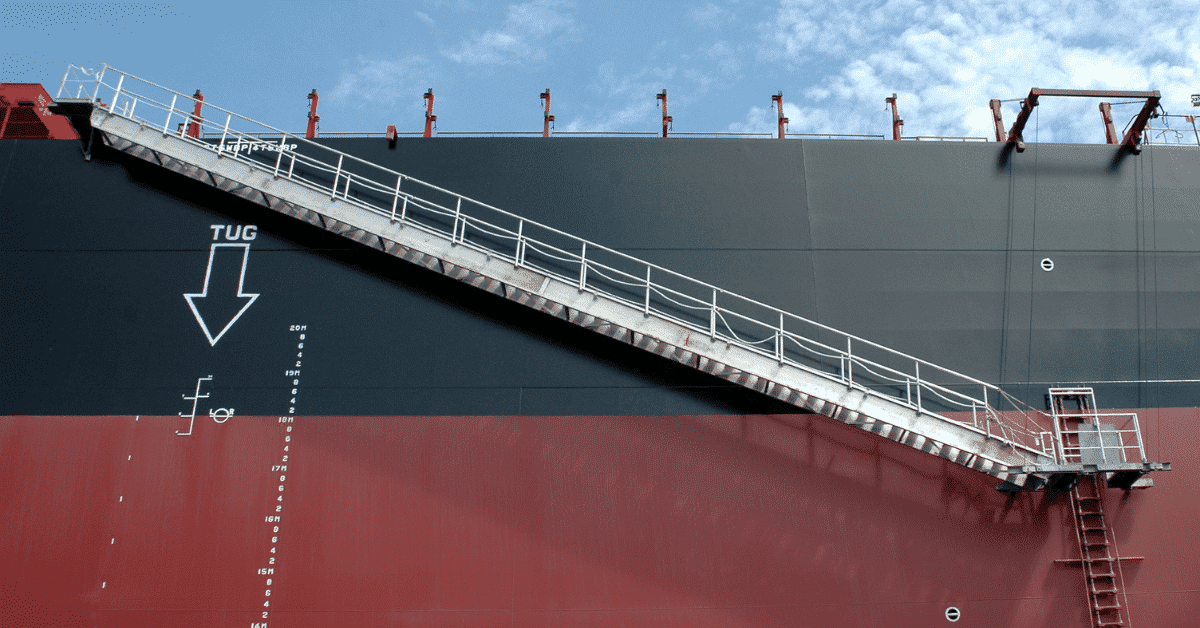
What is a Pilot Ladder?
A pilot ladder is a specialized rope ladder used onboard ships to enable the safe transfer of maritime pilots between a pilot boat and the vessel. Given the inherent risk of this transfer, often conducted in rough seas and at height, choosing the right pilot ladder is essential for protecting both the pilot and the ship's crew during embarkation and disembarkation.
How to Choose the Right Pilot Ladder?
Material
Pilot ladders are typically constructed from wood or synthetic materials like manila or high-strength polyester ropes with polypropylene cores. Wooden rungs offer good grip but require more maintenance, while synthetic rungs are lightweight, durable and resistant to rot and mildew.
Length
The ladder's length must be sufficient to reach from the ship's embarkation point to the water level under varying tide conditions, accounting for the vessel's maximum air draft, the vertical distance between the waterline and the highest point on the ship.
Number of Rungs
Pilot ladders typically have between 12 and 30 rungs, depending on overall length. The ladder must have enough rungs to comfortably cover the expected distance between the ship and the water.
Rung Spacing
Rungs should be spaced at a standard distance of 330mm (approximately 13 inches) to ensure proper foot placement and secure climbing.
Spreader Bars
Pilot ladders incorporate spreader bars at regular intervals along the rope sides, maintaining equal rung spacing and providing stability for the climber.
Working Load Limit
The ladder's working load limit must exceed the weight of the heaviest potential user, plus any equipment they may be carrying.
Regulatory Compliance
Pilot ladders must comply with international maritime regulations set by the International Maritime Organization (IMO) under SOLAS Chapter V, Regulation 23.2, which specifies construction, dimensions, and safety requirements for pilot boarding arrangements.
Pilot Ladder Selection Criteria Summary
| Factor | Specification |
| Material | Wood or synthetic (manila/polyester with propylene core) |
| Length | Sufficient for embarkation point to water level across tide conditions |
Number of Rungs | Typically 12-30, based on ladder length |
| Rung Spacing | Standard 330mm (approx. 13 inches) |
| Spreader Bars | Regular intervals for stability and even spacing |
| Working Load Limit | Must exceed heaviest expected user plus equipment |
| Regulatory Compliance | SOLAS Chapter V, Regulation 23.2 |
Why Choosing the Right Pilot Ladder Matters
- Safety: A properly sized and constructed pilot ladder ensures safe, secure climbing, minimizing the risk of slips, falls and injuries during transfer.
- Efficiency: Correct length and rung spacing enable a smooth, efficient transfer process, minimizing delays during pilot embarkation and disembarkation.
- Durability: High-quality, corrosion-resistant materials ensure the ladder withstands harsh marine conditions and delivers long-lasting service.
- Regulatory Compliance: Using a SOLAS-compliant pilot ladder helps avoid issues during port state control inspections.
Frequently Asked Questions (FAQs)
Q. What is a pilot ladder used for?
A. A pilot ladder is a rope ladder used to safely transfer maritime pilots between a pilot boat and a ship during embarkation and disembarkation.
Q. What is the standard rung spacing for a pilot ladder?
A. SOLAS specifies a standard rung spacing of 330mm (approximately 13 inches) to ensure secure foot placement while climbing.
Q. What materials are pilot ladders made from?
A. Pilot ladders are typically made from wood, offering good grip but requiring more maintenance, or synthetic materials like manila or polyester with propylene cores, which are lightweight and resistant to rot and mildew.
Q. How many rungs does a pilot ladder typically have?
A. Pilot ladders typically have between12 and 30 rungs, depending on the ladder's overall length and the vessel's freeboard.
Conclusion
A pilot ladder is a small but critical piece of maritime safety equipment, and getting the selection right, material, length, rung spacing and SOLAS compliance, directly affects the safety of every pilot transfer. Choosing a properly specified, compliant ladder protects both pilots and crew while keeping your vessel ready for port state control inspection. Visit Marinetech Safety Pvt. Ltd. to explore our full range of pilot ladders and general ship supplies.
Supply Email: supply@marinetechss.com
Phone: +91 8866475732 | +91 7227038216
Related Reading: General Ship Supplies: Key Items Every Vessel Should Have Onboard