Blog Post
What Are Lifeboats?
Posted By: Harsh Bamnolia
Posted On : 15-Oct-2025
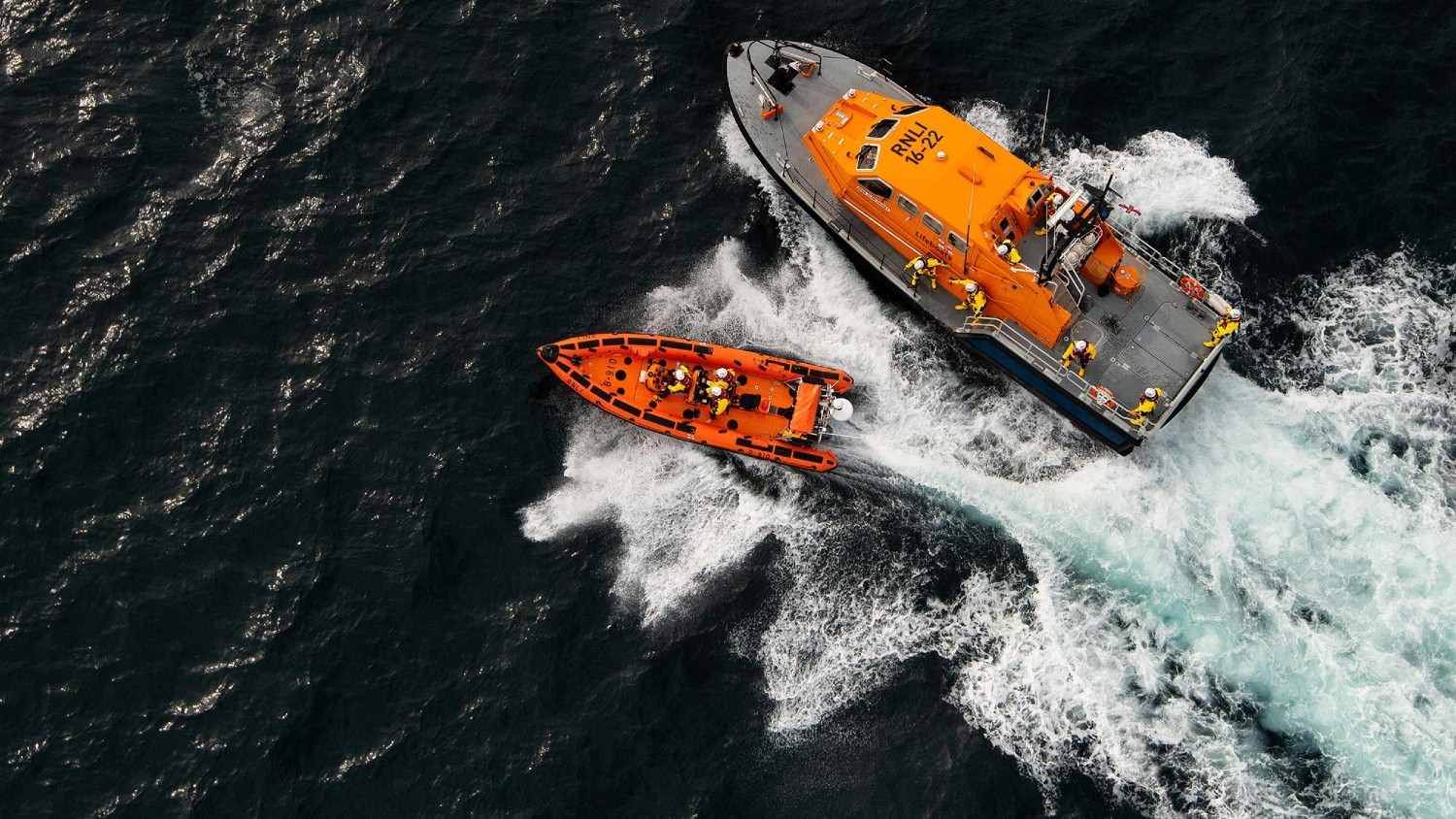
What Are Lifeboats?
What are lifeboats and why are they so important for maritime safety? Lifeboats are specially designed rescue vessels that are carried on ships to evacuate passengers and crew in emergencies.
Whether it’s a fire, sinking, or collision, lifeboats are essential for survival at sea, complying with international maritime laws such as SOLAS (Safety of Life at Sea).
Understanding the Role of Lifeboats in Modern Shipping
When we ask, "what are lifeboats," we are not just referring to a simple boat — we are talking about a life-saving system.
Lifeboats are compact, durable, and fully equipped boats meant to sustain lives after ship abandonment. They must be available in adequate numbers, be easily launchable, and provide protection and supplies to the occupants.
Every commercial and passenger ship is mandated to carry lifeboats, not as a backup, but as a primary emergency response mechanism.
Types of Lifeboats and Their Features
One of the most common follow-up questions to "what are lifeboats" is: What types are used on ships?
The answer depends on the ship’s size, operation area, and purpose. Below are the primary types of lifeboats found onboard:
1. Totally Enclosed Lifeboats (TELB)
These are the most common and are used on cargo ships and tankers. They offer complete protection from harsh weather and rough seas. Their design prevents water ingress and shields occupants from fire and smoke.
2. Free-Fall Lifeboats
Mounted on a sloped ramp, these lifeboats slide off the ship’s stern and free-fall into the water. They are gravity-launched and can be deployed quickly without crew assistance.
3. Partially Enclosed Lifeboats
Seen on cruise ships and older vessels, these have a canopy over the top and open sides. They offer partial protection and are easier to maintain.
4. Rescue Boats
Smaller and faster, these are designed to retrieve persons overboard or to assist during abandon-ship operations.
What Are Lifeboats Made Of?
To address what are lifeboats constructed from, most modern lifeboats are made from fire-retardant fiberglass-reinforced plastic (FRP). This material is:
Lightweight yet durable
Corrosion-resistant
Capable of withstanding temperature extremes and wave impacts
They are also fitted with internal buoyancy compartments to stay afloat even if they take on water.
What Equipment Do Lifeboats Carry?
It’s not just the boat — a lifeboat carries survival equipment as per SOLAS regulations. If you’re still wondering what are lifeboats capable of, check this equipment list:
Emergency food and water
Sea anchor
First aid kit
Thermal protective aids
Rocket parachute flares
Hand flares and smoke signals
Compass and radar reflector
Fishing tackle
Bailing buckets and paddles
Manual pump
Everything inside is meant to ensure survival for at least three days at sea.
Lifeboat Capacity and SOLAS Regulations
Another common question apart from “what are lifeboats” is: How many people can a lifeboat hold?
According to SOLAS Chapter III, the capacity of lifeboats should be such that all persons onboard can be accommodated with extra margin. Each lifeboat must also:
Be capable of being launched in 5 minutes or less
Have redundant propulsion (manual + engine)
Include lifesaving instructions and posters
Have routine maintenance and servicing logs
Lifeboat Launching and Operation: How It Works
To understand what are lifeboats in action, it’s important to know how they are launched:
Davits or ramps position the lifeboat for quick deployment.
Manual release hooks or hydraulic systems activate the lowering.
In free-fall types, gravity takes care of the launch.
Once afloat, the lifeboat’s engine is started and the canopy is secured.
The lifeboat moves a safe distance from the ship.
This process must be practiced frequently through abandon ship drills, as per IMO rules.
Lifeboat Maintenance and Inspection
Even the best-designed lifeboat is useless if it doesn’t work in an emergency. That’s why lifeboats undergo monthly visual inspections and annual load tests.
Key maintenance checks include:
Hull integrity and leak checks
Engine test runs
Battery and light operation
Availability of all survival equipment
Inspection of release hooks and safety wires
Canopy damage or wear and tear
So, when asking “what are lifeboats”, also ask, Are they in working condition today?
Lifeboat Drills and Crew Training
The answer to “what are lifeboats” is incomplete without acknowledging the human element. The crew must be trained to:
Launch and board lifeboats quickly
Use all onboard equipment
Navigate lifeboats manually and by engine
Communicate distress using flares and signals
Training is mandated by STCW (Standards of Training, Certification, and Watchkeeping) to ensure crew competence.
Final Word: What Are Lifeboats in the Bigger Picture?
In summary, when you ask what are lifeboats, you’re opening the door to one of the most critical topics in maritime safety.
Lifeboats are not just boats — they are mobile survival units built to preserve life in the most dangerous conditions at sea.
Understanding their types, capabilities, launching procedures, and maintenance is essential for every seafarer, shipowner, and marine safety enthusiast.
Explore Lifeboat Solutions with Marinetech
Looking to inspect, service, or upgrade your lifeboats? Partner with a trusted marine safety expert. Visit Marintech Safety Pvt. Ltd., to explore comprehensive life raft and immersion suit services that keep your vessels compliant and your crew protected.