Blog Post
Understanding Ballast Water Management Systems: Importance and Implementation in Maritime Operations
Posted By: Harsh Bamnolia
Posted On : 21-Dec-2023
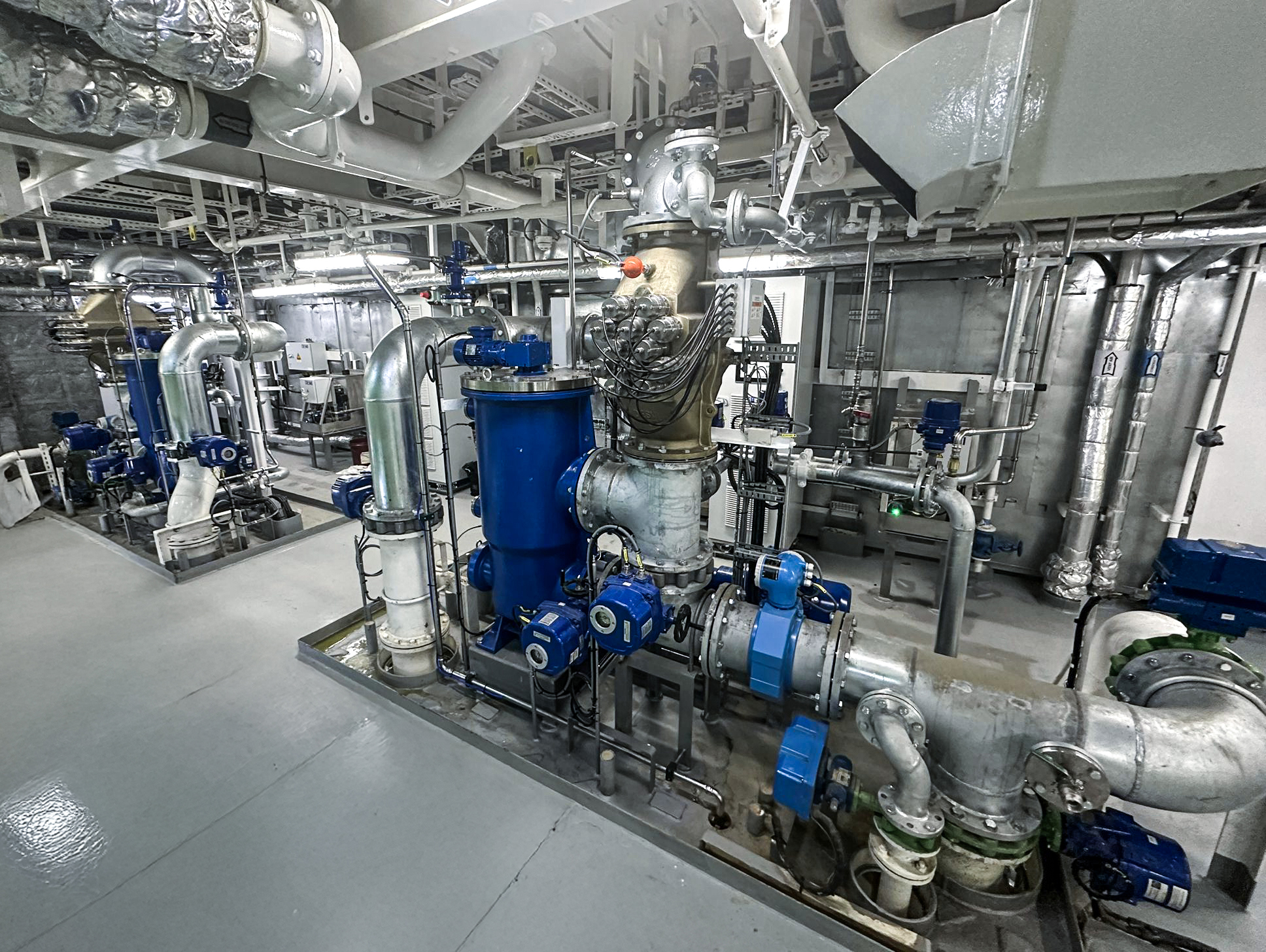
What is a Ballast Water Management System?
Ships rely on ballast water to maintain stability, adjusting for fluctuating cargo and fuel loads. But water pumped in from one port and discharged at another often carries a hidden cargo of its own, plankton, fish larvae, bacteria and other aquatic organisms. Left unmanaged, these organisms can become invasive species in a new environment, disrupting food webs, displacing native wildlife and causing serious ecological damage. A ballast water management system (BWMS) is the technology designed to neutralize this risk before water is discharged.
Why Ballast Water Needs to be Managed?
When ballast water taken on in one region is discharged in another, it can introduce non-native organisms into unfamiliar ecosystems. These invasive species can disrupt delicate food webs, outcompete native fauna and alter habitats leading to biodiversity loss and long-term ecological imbalance. Ballast water management systems exist to intercept and neutralize these unwelcome passengers before they're ever released.
Ballast Water Treatment Methods
BWMS technology uses several treatment approaches, often in combination, to eliminate harmful organisms from ballast water:
Physical Filtration
Finely meshed filters capture larger organisms, such as plankton and juvenile fish, preventing their introduction into a new ecosystem before water treatment even begins.
Ultraviolet (UV) Radiation
BWMS equipped with UV lamps expose ballast water to concentrated ultraviolet radiation, disrupting the DNA of microorganisms and rendering them inactive and harmless.
Chemical Disinfection
Controlled doses of oxidizing agents, such as chlorine or ozone, neutralize pathogenic bacteria and other harmful microbes, reducing the risk of disease transmission through ballast water.
Ballast Water Exchange
Not a treatment method in the technical issue but a transitional option under specific circumstances, this technique replaces coastal ballast water with open-ocean water, which is assumed to contain fewer organisms due to its distance from land-based contamination sources.
Treatment Methods at a Glance
| Method | How it Works | Best Suited for |
| Physical Filtration | Mesh filters capture larger organisms | First-stage treatment, larger plankton/larvae |
| UV Radiation | Disrupts microorganisms DNA | Fine-scale microbial neutralization |
| Chemical Disinfection | Oxidizing agents neutralize pathogens | Bacteria and pathogen control |
| Ballast Water Exchange | Replaces coastal water with open ocean water | Transitional/interim compliance option |
Why is Ballast Water Management a Global Mandate?
Unchecked, invasive species introduced through ballast water can cause significant economic damage, affecting fisheries, aquaculture and infrastructure. One well-documented example: the zebra mussel, introduced through ballast water in North America, clogged water intake pipes and caused billions of dollars in repair costs and lost revenue.
In response, the International Maritime Organization (IMO) adopted the International Convention for the Control and Management of Ships' Ballast Water and Sediments (BWM Convention) in 2004, a landmark treaty establishing strict standards for ballast water treatment. The Convention mandates that all ships be equipped with approved BWMS technology and officially entered into force in 2017, marking a major milestone in global ocean protection.
With regulations firmly in place and proven technology readily available, ballast water management is no longer optional, it's a global responsibility for every vessel operator.
Beyond Compliance: Embracing Sustainable Ballast Water Practices
Meeting regulatory requirements is essential, but true sustainability means going further. Choosing eco-friendly BWMS technology, supporting the development of cleaner treatment methods, and adopting responsible shipping practices all contribute to healthier oceans over the long term.
Eco-Friendly BWMS Solutions from Marinetech
Marinetech Safety Pvt. Ltd. offers a comprehensive range of high-performance environmentally friendly ballast water management systems, helping vessels stay compliant with international regulations while protecting the marine ecosystems that depend on responsible shipping. From expert consultation to seamless installation and ongoing maintenance, Marinetech is a trusted partner in navigating the future of sustainable shipping.
Frequently Asked Questions (FAQs)
Q. What is a ballast water management system (BWMS)?
A. A BWMS is onboard technology designed to treat ballast water before discharge, neutralizing organisms like plankton, larvae and bacteria to prevent the spread of invasive species between marine ecosystems.
Q. Why is ballast water a risk to marine ecosystems?
A. Ballast water taken on in one port often contains aquatic organisms that, if discharged untreated in another region, can become invasive species, disrupting food webs, displacing native wildlife and causing biodiversity loss.
Q. How can shipowners choose a sustainable BWMS?
A. Shipowners can prioritize eco-friendly, high performance BWMS technology and work with experienced providers who support proper installation, ongoing maintenance and compliance with evolving environmental standards.
Conclusion
Ballast water management systems play a critical role in protecting marine ecosystems from the spread of invasive species and harmful pathogens. With the IMO BWM Convention in force, equipping vessels with approved, high-performing BWMS technology is both a legal requirement and a meaningful step toward sustainable, responsible shipping. Contact Marintech Safety Pvt. Ltd. to book inspection of BWMS today.
Service Email: info@marinetechss.com
Phone: +91 8866475732 | +91 7227038216