Blog Post
Step-by-Step Insights Into the Process of Marine Fire Extinguisher Servicing
Posted By: Harsh Bamnolia
Posted On : 20-Aug-2024
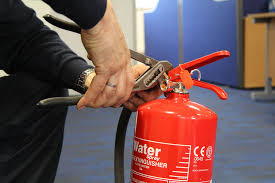
Marine Fire Extinguisher Servicing: Inspection, Testing and SOLAS Compliance Guide
Marine fire extinguishers are one of the most important first-response firefighting devices onboard a vessel. Whether dealing with an electrical fire, engine room fire, fuel fire or accommodation fire, a properly maintained fire extinguisher can prevent a small incident from becoming a major emergency.
However, simply having fire extinguishers onboard isn't enough. International maritime regulations require them to be inspected, tested, maintained and serviced regularly to ensure they remain fully operational. This guide explains the complete marine fire extinguisher servicing process, inspection requirements, testing procedures and best practices for maintaining compliance with SOLAS and IMO
What is Marine Fire Extinguisher Servicing?
Marine fire extinguisher servicing is the inspection, maintenance, testing, refilling and certification of portable and wheeled fire extinguishers used onboard ships and offshore installations.
The objective of servicing is to ensure every extinguisher:
- Operates correctly during an emergency
- Contains the correct extinguishing agent
- Maintains proper internal pressure
- Meets SOLAS and IMO requirements
- Is ready for immediate use
Regular servicing also helps identify defects before they compromise onboard fire safety.
Why is Fire Extinguisher Servicing Important?
Fire extinguishers are often the first line of defense against onboard fires. Exposure to vibration, humidity, saltwater and harsh marine environments can gradually affect their performance.
Routine servicing helps:
- Ensure compliance with SOLAS requirements
- Maintain firefighting readiness
- Detect leaks, corrosion or pressure loss
- Extend equipment lifespan
- Reduce Port State Control deficiencies
- Protect crew, passengers, cargo and the vessel
A poorly maintained extinguisher may fail when it is needed most, placing lives and assets at serious risk.
SOLAS Requirements for Marine Fire Extinguisher Servicing
Portable fire extinguishers installed onboard commercial vessels must be inspected and maintained in accordance with:
- SOLAS Chapter II-2
- IMO Fire Safety Systems (FSS) Code
- Manufacturer recommendations
- Flag State requirements
- Classification society requirements
Shipowners should also maintain proper servicing records for statutory surveys and Port State Control inspections.
Marine Fire Extinguisher Servicing Procedure: Step-by-Step
1. Visual Inspection
The servicing process begins with a detailed external inspection.
Technicians examine:
- Cylinder condition
- Corrosion
- Dents or damage
- Safety pin and tamper seal
- Hose and nozzle condition
- Operating instructions
- Mounting bracket
- Pressure gauge (where fitted)
Any visible defects are recorded for corrective action.
2. Pressure and Weight Verification
The extinguisher's internal pressure and extinguishing agent quantity are checked.
Depending on the extinguisher type, technicians verify:
- Pressure gauge reading
- Internal pressure
- Cylinder weight
- CO2 charge weight
- Nitrogen pressure (where applicable)
Undercharged or overcharged extinguishers are recharged before certification.
3. Internal Examination
Where required, the extinguisher is opened for internal inspection.
The technicians checks for:
- Internal corrosion
- Moisture contamination
- Caking of dry chemical powder
- Valve condition
- Pick-up tube integrity
Internal inspections help identify hidden defects that cannot be seen externally.
4. Discharge Testing
Where applicable, extinguishers undergo discharge testing to verify operational performance.
The test confirms:
- Proper discharge
- Nozzle performance
- Spray pattern
- Discharge duration
- Operating pressure
If the extinguisher fails to discharge correctly, repairs or replacement are carried out.
5. Hydrostatic Pressure Testing
Certain extinguishers require periodic hydrostatic testing to confirm cylinder integrity.
During this test:
- The cylinder is filled with water.
- Pressure is applied above its normal operating level
- The cylinder is monitored for leaks, expansion or structural failure.
Hydrostatic testing ensures the extinguishers can safely withstand operational pressure and comply with applicable regulations.
6. Refilling and Recharging
Following testing or after discharge, the extinguisher is refilled with the correct extinguishing agent.
Depending on the extinguisher type, this may include:
- Dry chemical powder
- CO2
- Foam
- Water
- Clean agent
The cylinder is then re-pressurized according to manufacturer specifications.
7. Sealing and Certification
After servicing, the extinguisher receives:
- New safety seal
- Inspection label
- Service tag
- Next due date
- Maintenance record
These markings provide evidence of compliance during vessel inspections.
8. Documentation and Record Keeping
Comprehensive servicing records are maintained for every extinguisher.
Typical documentation includes:
- Serial number
- Extinguisher type
- Service date
- Inspection results
- Hydrostatic test records
- Recharge details
- Technician certification
- Next service due date
Accurate documentation supports statutory surveys and regulatory audits.
Types of Marine Fire Extinguishers Serviced
Professional servicing covers various extinguisher types, including:
- Dry Powder Fire Extinguishers
- CO2 Fire Extinguishers
- Foam Fire Extinguishers
- Water Fire Extinguishers
- Clean Agent Fire Extinguishers
Each type requires specific inspection and servicing procedures based on manufacturer recommendations.
Common Fire Extinguisher Deficiencies Found During Servicing
Routine inspections frequently identify issues such as:
- Pressure loss
- Corroded cylinders
- Damaged hoses
- Missing safety pins
- Expired service dates
- Caked extinguishing agent
- Blocked nozzles
- Damaged pressure gauges
- Illegible operating instructions
- Missing mounting brackets
Correcting these deficiencies ensures extinguishers remain fully operational.
Best Practices for Shipowners and Operators
To maintain compliance and improve onboard fire safety:
- Conduct regular onboard visual inspections.
- Schedule servicing before due dates.
- Replace damaged extinguishers immediately.
- Use only approved marine service providers.
- Keep maintenance records updated.
- Train crew in extinguisher operation.
- Verify accessibility during safety rounds.
Why Choose Marinetech for Marine Fire Extinguisher Servicing?
Marinetech Safety Pvt. Ltd. provides comprehensive marine fire extinguisher servicing for commercial vessels, offshore installations, ports, and marine facilities.
Our services include:
- Annual inspections
- Pressure testing
- Hydrostatic testing
- CO2 weighing
- Refilling and recharging
- Internal inspections
- Repairs and replacement
- Certification and documentation
Our experienced technicians service all major types of marine fire extinguishers in accordance with SOLAS requirements, IMO guidelines, and classification society standards.
Frequently Asked Questions (FAQs)
Q. How often should marine fire extinguishers be serviced?
A. Marine fire extinguishers should be inspected regularly onboard and serviced periodically according to SOLAS requirements, manufacturer recommendations, flag state regulations and classification society requirements.
Q. What is included in marine fire extinguisher servicing?
A. Servicing typically includes visual inspection, pressure checks, internal examination, discharge testing, hydrostatic testing (where required), refilling, recharging, sealing, certification, and documentation.
Q. Is hydrostatic testing mandatory?
A. Yes. Certain fire extinguishers require hydrostatic pressure testing at specified intervals to verify cylinder integrity and comply with applicable regulations.
Q. Which ports does Marinetech provide marine fire extinguisher servicing at?
A. Marinetech Safety Pvt. Ltd. provides marine fire extinguisher servicing at major ports across India, including Mumbai, Nhava Sheva (JNPT), Kandla, Mundra, Pipavav, Hazira, Dahej, Goa, Mangalore, Kochi, Chennai, Ennore, Visakhapatnam, Paradip, Haldia, Kolkata, Tuticorin, and Port Blair. Our team offers inspection, testing, refilling, hydrostatic testing, certification, and maintenance services to help vessels maintain SOLAS compliance with minimal operational downtime.
Conclusion
Marine fire extinguisher servicing is essential for ensuring that onboard firefighting equipment remains reliable, compliant, and ready for immediate use. Regular inspections, testing, and maintenance not only meet SOLAS and IMO requirements but also help protect lives, cargo, and valuable assets from the devastating effects of fire.
At Marinetech Safety Pvt. Ltd., we provide professional marine fire extinguisher servicing backed by experienced technicians, industry-approved procedures, and a commitment to maritime safety. Whether you require routine maintenance, hydrostatic testing, refilling, or certification, our team is equipped to keep your vessel compliant and prepared for every voyage.
Service Email: info@marinetechss.com
Phone: +91 8866475732 | +91 7227038216