Blog Post
What Is the Standard Lifeboat Launching Time According to SOLAS?
Posted By: Harsh Bamnolia
Posted On : 15-Oct-2025
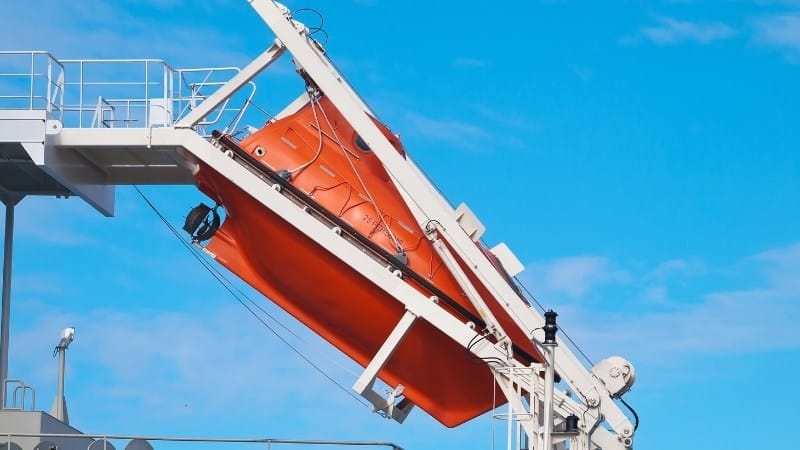
What Is the Standard Lifeboat Launching Time According to SOLAS?
Lifeboat launching time is a critical performance metric mandated by SOLAS (Safety of Life at Sea) regulations to ensure ships can quickly deploy lifesaving equipment during emergencies.
In high-risk maritime situations such as ship collisions, fires, or sinkings, the ability to launch a lifeboat swiftly can be the difference between survival and tragedy.
In this blog, we explore what SOLAS specifies for lifeboat launching time, why it matters, and how shipowners, operators, and crew can ensure compliance.
Why Does Lifeboat Launching Time Matter?
The lifeboat launching time determines how quickly passengers and crew can evacuate a vessel safely. According to IMO and SOLAS conventions, this metric isn't just a guideline — it's a compliance benchmark.
Any delay in lifeboat deployment during an emergency can result in:
Crew and passengers being trapped on a sinking vessel
Exposure to fire or toxic smoke
Delayed search and rescue response due to lack of deployed survival craft
Therefore, adhering to the minimum required lifeboat launching time ensures operational readiness and enhances the safety of all on board.
SOLAS Requirements for Lifeboat Launching Time
According to Chapter III of the SOLAS Convention — which deals with Life-Saving Appliances and Arrangements — the specific requirements for lifeboat launching time are as follows:
SOLAS Standard Lifeboat Launching Time
15 Minutes: All survival craft (excluding liferafts that are not davit-launched) must be launched within 15 minutes from the time the abandon ship signal is given.
10 Minutes: For passenger ships, 25% of the lifeboats must be launched within 10 minutes to ensure rapid evacuation testing.
5 Minutes: Fast rescue boats must be launched and maneuvering within 5 minutes of the abandon ship signal.
These timings are applicable under favorable conditions, meaning:
Ship is upright and stationary
Minimal wind and sea swell
Daylight and clear visibility
Fully trained crew present and assigned
These benchmarks help assess whether the vessel and crew can meet SOLAS lifeboat readiness standards.
Testing & Drills: Measuring Lifeboat Launching Time
How Is Lifeboat Launching Time Verified?
SOLAS requires lifeboat drills to be conducted at regular intervals to test and verify the effectiveness of emergency preparedness, especially focusing on lifeboat launching time. Here’s how it is usually measured:
Timing Starts with the abandon ship alarm.
Crew members report to lifeboat stations with lifejackets.
Assignments are executed: launching crew release gripes, start the engine, and prepare for boarding.
The boat is swung out using davits and lowered.
Lifeboat engine is started and lifeboat is released from hooks.
Timing stops when the lifeboat is afloat and ready to move.
These drills simulate real-life evacuation procedures and give a good picture of the current lifeboat launching time on a vessel.
Key Factors Affecting Lifeboat Launching Time
Though SOLAS provides clear guidelines, actual lifeboat launching time can be affected by several onboard factors:
Crew training and readiness: Inadequate training can result in delayed operations.
Maintenance of launching equipment: Faulty davits, release hooks, or jammed winches can cause delays.
Load on board: Full occupancy during real emergencies can impact launching time.
Sea state and weather: Rough seas, wind, and rain can complicate deployment.
Communication issues: Delayed abandon ship command or poor coordination can affect timing.
This makes it essential for crew members to undergo frequent drills and for lifeboat systems to be regularly maintained.
Lifeboat Types and Launching Time Compliance
Different lifeboats have different launching requirements. Below is how the lifeboat launching time varies based on type:
Totally Enclosed Lifeboats: Must meet the 15-minute standard but are preferred due to better protection in rough seas.
Free-Fall Lifeboats: Are launched instantly but still must be tested for engine start and maneuverability within minutes.
Davit-Launched Lifeboats: Require more setup time and precise handling; hence, most scrutinized in time drills.
Regardless of type, lifeboat launching time is one of the key performance indicators inspected by Port State Control officers.
Common Mistakes That Delay Lifeboat Launching Time
Maritime investigations have revealed common errors that delay lifeboat deployment:
Improper stowage: Equipment not secured or missing
Unfamiliarity with procedures: Crew confusion during drills
Faulty release mechanisms: Hooks not opening or jamming
Poor lubrication of davits: Causing resistance during swing-out
Not checking fuel or battery: Engine failure post-launch
Preventing these issues can drastically improve lifeboat launching time and enhance safety compliance.
SOLAS Recommendations for Improved Lifeboat Launching Time
To ensure you meet SOLAS requirements and safeguard your vessel, SOLAS recommends:
Monthly Inspections of all lifeboats, engines, hooks, and davits
Quarterly Drills to simulate lifeboat launching under realistic conditions
Annual Certification by authorized service providers
Training for New Crew to familiarize them with emergency systems
Use of Checklists to reduce human error and maintain compliance
Staying proactive with training and inspections is key to achieving the standard lifeboat launching time on every drill and real emergency.
Final Thoughts
Understanding and achieving the correct lifeboat launching time is not just a regulatory requirement — it’s a life-saving necessity. SOLAS compliance ensures that in times of crisis, your crew is equipped to act swiftly, with systems that function as expected.
Whether you're a ship owner, operator, or seafarer, mastering lifeboat readiness could make all the difference when it matters most.
Frequently Asked Questions
Q: What is the SOLAS-defined standard lifeboat launching time?
A: The standard lifeboat launching time under SOLAS is 15 minutes for full deployment under ideal conditions.
Q: Are ships inspected for lifeboat launching time?
A: Yes. Port State Control and Flag State inspections verify lifeboat launching time through drills and record checks.
Q: What happens if a ship fails the lifeboat launch time requirement?
A: Non-compliance can result in detentions, fines, or withdrawal of SOLAS certification.