Blog Post
How Do Smoke Signals Work and What Do They Mean at Sea?
Posted By: Harsh Bamnolia
Posted On : 18-Sep-2025
How Do Smoke Signals Work and What Do They Mean at Sea?
Smoke signals meaning in the maritime world goes far beyond what most people associate with ancient communication.
At sea, smoke signals serve a critical purpose: they are a universally recognized distress signal that helps ships and rescue teams locate individuals or vessels in trouble.
Whether you're a mariner, vessel owner, or simply a sailing enthusiast, understanding smoke signals meaning is crucial for safety and compliance.
This blog explores the origin, purpose, functionality, and legal requirements of maritime smoke signals, giving you a clear view of how they save lives at sea.
Understanding Smoke Signals Meaning in Maritime Context
In seafaring, smoke signals meaning refers to the use of colored smoke to communicate distress or location. Unlike radio signals or sound-based alerts, smoke signals are visual and highly visible, especially during the day. These signals are typically included in life-saving equipment such as life rafts, life buoys, and lifeboats and are required by SOLAS (Safety of Life at Sea) regulations.
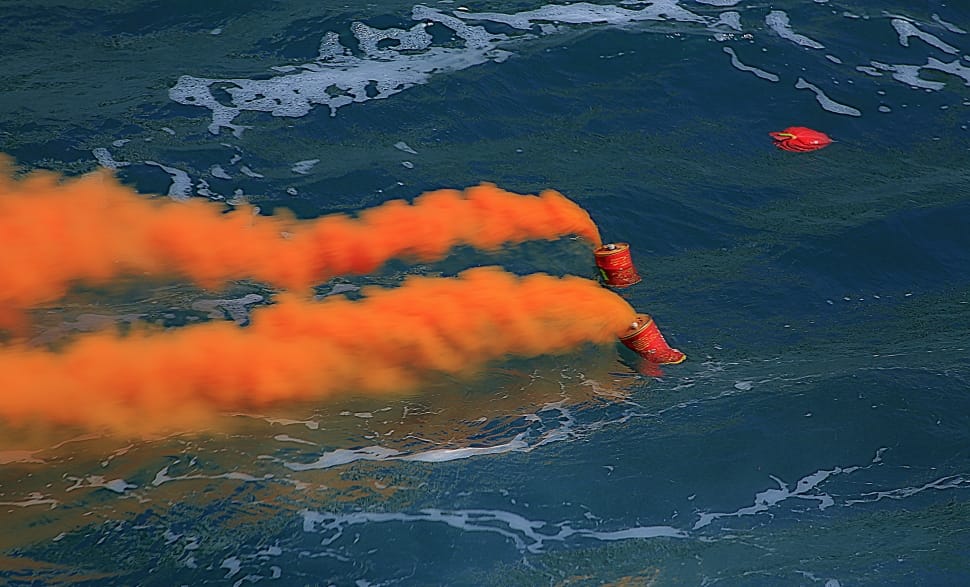
At sea, orange smoke is universally used because it contrasts sharply with the blue and green tones of the ocean, making it visible from miles away by aircraft or nearby vessels. This form of communication is simple, effective, and lifesaving.
How Do Maritime Smoke Signals Work?
To understand smoke signals meaning, it helps to know how these devices operate. Most marine smoke signals are contained in waterproof canisters or cartridges that are either:
Handheld, activated manually by pulling a tab or striking a pin, or
Buoyant canisters, deployed into the water, often attached to life buoys.
Once activated, the canister emits a thick cloud of bright orange smoke for approximately 3 to 15 minutes, depending on the brand and purpose. The key features of smoke signals include:
High visibility (up to 10 nautical miles under ideal conditions),
Stable floating design for water use,
Non-toxic and eco-safe smoke,
Heat and fire-resistant casing for safety.
These attributes make them reliable even in high winds or turbulent seas.
When Are Smoke Signals Used at Sea?
The smoke signals meaning is closely tied to their use cases. Here's when and why they are activated:
1. Daytime Distress Signaling
Smoke signals are most effective in daylight when their color is easily seen. In poor visibility or at night, other signals like red flares or strobe lights are preferred.
2. Search and Rescue Support
If you're waiting for aerial or sea rescue, deploying a smoke signal can pinpoint your location. Helicopter pilots and marine rescue teams rely on visible cues to find survivors.
3. Life Raft and Life Buoy Emergencies
Most SOLAS-approved life rafts come equipped with two smoke signals. These are to be deployed after abandoning ship to draw attention.
4. Training and Drills
Maritime institutions and naval operations also use smoke signals during safety drills and survival training to simulate emergency conditions.
Understanding smoke signals meaning in context helps ensure proper and timely deployment, especially when seconds matter.
What Do the Colors and Duration of Smoke Signals Mean?
While most maritime smoke signals use orange smoke, smoke signals meaning can also vary by color in other contexts (like military or aviation). However, at sea, orange is the standard.
Here’s what matters in maritime usage:
Orange Smoke:
Meaning: Immediate distress or “man overboard.”
Use: Launched from life buoys, life rafts, or handheld for visual alerting.
Duration:
3-minute signals: Standard in life rafts and life buoys.
10–15-minute signals: Used for extended visibility when waiting for distant rescue teams.
The longer the smoke duration, the higher the chances of being noticed—especially if the weather or visibility is poor. Therefore, it’s vital to read the manufacturer’s label and know how long your smoke signal is expected to last.
Legal Requirements: SOLAS and IMO Regulations
The smoke signals meaning is codified under SOLAS Chapter III, which outlines life-saving appliances required on board all seagoing vessels.
Here’s what’s required:
Each life raft must have two buoyant smoke signals.
Each lifeboat must carry at least two smoke signals.
The signal must emit smoke for no less than 3 minutes.
It must remain operational in winds up to 30 knots.
Smoke must be highly colored (usually orange) and non-flammable after activation.
The IMO (International Maritime Organization) also mandates that these devices must be tested and approved by competent authorities and that expired signals must be removed and replaced immediately.
Shipowners are responsible for ensuring compliance during routine inspections or audits by port state authorities or classification societies.
Tips for Safe Handling and Inspection of Smoke Signals
Understanding smoke signals meaning includes knowing how to handle and maintain them. Here are best practices:
Storage:
Keep smoke signals dry and easily accessible.
Store in original waterproof casing.
Avoid exposure to direct sunlight or extreme heat.
Inspection:
Check expiry dates monthly.
Look for corrosion, damage, or leakage.
Remove any expired or damaged signals immediately.
Replacement:
Replace all smoke signals every 3 to 5 years, depending on the brand.
Always buy SOLAS-approved equipment.
Regular inspection is not just a safety practice—it is a legal obligation under international maritime law.
Final Thoughts: Why Knowing Smoke Signals Meaning Can Save Lives
When it comes to emergencies at sea, every second counts. The ability to visually communicate your location and condition is what often leads to timely rescue. That’s why understanding smoke signals meaning is more than academic—it’s essential to maritime survival.
By ensuring your vessel is equipped with the correct type and quantity of smoke signals, and that your crew is trained in their proper use, you drastically increase your chances of surviving any emergency.
Stay Safe, Stay Compliant:
Is your vessel stocked with updated, SOLAS-compliant smoke signals? Make it a priority to check today—because in an emergency, visibility could be your lifeline.