Blog Post
SCBA Parts and Functions Explained: Maintenance and Safety Checks
Posted By: Harsh Bamnolia
Posted On : 20-Nov-2025
SCBA Parts and Functions Explained: Maintenance and Safety Checks
SCBA parts and functions form the backbone of respiratory protection in hazardous environments, especially in marine, offshore, and firefighting operations.
Understanding SCBA parts and functions is essential for ensuring personnel safety, regulatory compliance, and operational efficiency.
This guide explains how SCBA systems work, their components, maintenance practices, and safety checks while aligning with international maritime and fire safety standards.
Understanding SCBA Parts and Functions in Safety-Critical Environments
SCBA parts and functions are designed to provide breathable air in environments where oxygen levels are unsafe or contaminated by smoke, toxic gases, or chemicals.
Self-Contained Breathing Apparatus (SCBA) systems are widely used in marine firefighting, confined space entry, and emergency response operations.
In marine environments, SCBA systems are mandatory safety equipment under SOLAS regulations. Understanding SCBA parts and functions ensures that crew members can operate the equipment efficiently during emergencies, particularly in fire-prone areas such as engine rooms and cargo spaces.
SCBA systems work independently of ambient air, allowing users to breathe safely even in smoke-filled or oxygen-deficient environments.
Key SCBA Parts and Functions Explained in Detail
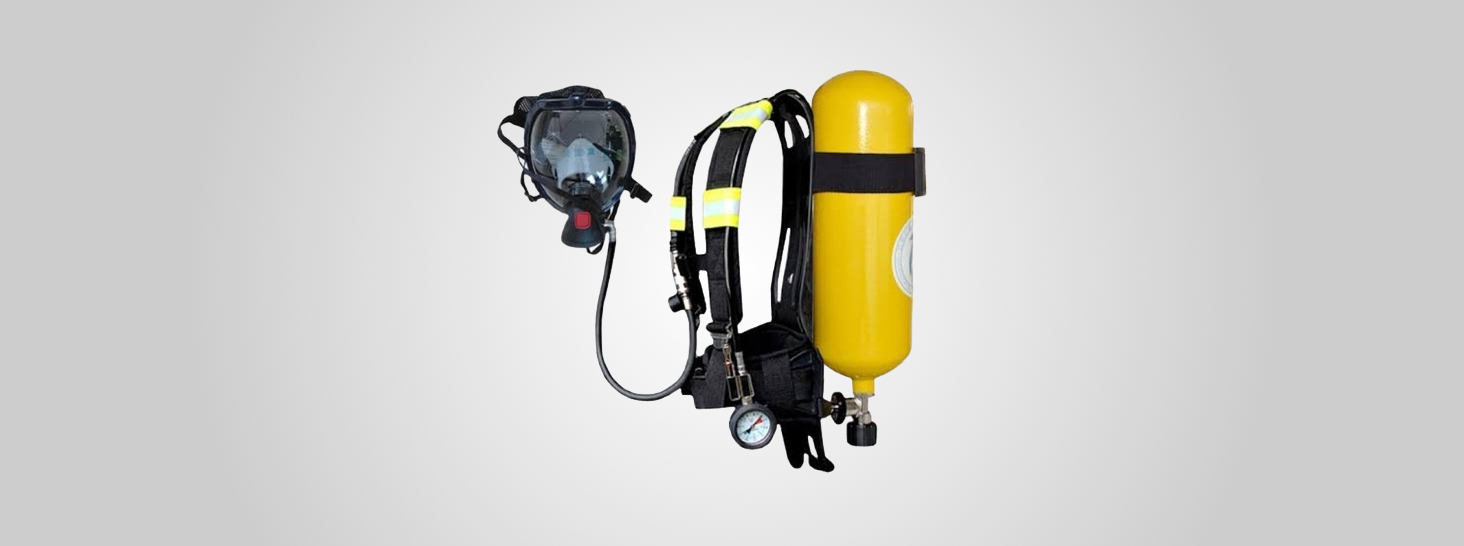
To understand SCBA parts and functions, it is important to break down the system into its core components. Each part plays a specific role in ensuring safe and continuous air supply.
Air Cylinder
The air cylinder stores compressed breathable air, typically at 200 or 300 bar. It is one of the most critical SCBA parts and functions because it determines the duration of breathable air available to the user.
Pressure Regulator
The pressure regulator reduces high-pressure air from the cylinder to a safe, breathable level. It ensures consistent airflow regardless of remaining cylinder pressure.
Face Mask
The face mask forms an airtight seal around the user’s face. It protects against smoke, toxic gases, and heat while delivering clean air from the cylinder.
Demand Valve
The demand valve supplies air only when the user inhales, conserving air and increasing efficiency. This is a vital component within SCBA parts and functions for controlled breathing.
Harness and Backplate
The harness and backplate support the entire SCBA unit, distributing weight evenly across the user’s body for comfort and stability.
Pressure Gauge and Alarm
These components monitor air pressure and alert the user when air supply is low, ensuring timely evacuation.
How SCBA Parts and Functions Support Firefighting Operations
Understanding SCBA parts and functions is crucial in firefighting scenarios where visibility is low and temperatures are extreme. SCBA units allow firefighters and marine crew members to operate safely in smoke-filled compartments while conducting rescue or suppression activities.
SCBA systems are designed to:
Protect against inhalation of toxic gases
Maintain breathable air in oxygen-deficient environments
Enable extended operational time during emergencies
Support coordinated rescue operations
In marine firefighting, SCBA systems are often paired with fire suits and thermal protective equipment to ensure maximum protection.
SOLAS Requirements for SCBA Parts and Functions
SOLAS regulations mandate the availability of SCBA units onboard ships, especially in machinery spaces and fire-prone areas. According to SOLAS, vessels must carry approved SCBA sets with adequate spare air cylinders.
SCBA parts and functions must comply with:
International Maritime Organization (IMO) standards
Fire Safety Systems (FSS) Code requirements
Classification society approvals
Regular inspections and certification ensure that SCBA equipment remains operational and compliant.
Maintenance and Inspection of SCBA Parts and Functions
Proper maintenance is essential to ensure SCBA parts and functions perform reliably during emergencies. Routine inspections should be conducted before and after use.
Key maintenance practices include:
Checking cylinder pressure levels
Inspecting face masks for cracks or leaks
Testing regulators and demand valves
Cleaning and sanitizing masks after use
Replacing worn-out seals and hoses
Maintenance records must be documented as part of safety management systems.
Safety Checks and Operational Readiness
Operational readiness depends on regular safety checks of SCBA parts and functions. Crew members must be trained to conduct pre-use and post-use inspections.
Safety checks include:
Verifying cylinder pressure is within safe range
Ensuring audible alarms function correctly
Confirming airtight seal of face mask
Inspecting harness integrity
Routine drills ensure familiarity and confidence during real emergencies.
Role of SCBA in Maritime Safety Alongside Immersion Suits
SCBA systems play a critical role alongside other lifesaving equipment such as immersion suits. While SCBA parts and functions protect against smoke and toxic gases, immersion suits protect against hypothermia during abandonment.
In fire emergencies that escalate to evacuation, crew members may transition from using SCBA to donning immersion suits. This integrated safety approach enhances survival chances in extreme conditions.
SOLAS-approved safety equipment, including immersion suits and firefighting gear, can be explored at https://marinetechss.com/supplies/fire-fighting-equipment-and-appliances
Ensuring compatibility between SCBA and other lifesaving equipment is essential for comprehensive maritime safety.
Training Requirements for SCBA Parts and Functions
Training is vital to ensure correct usage of SCBA parts and functions. Crew members must be trained to don SCBA quickly, operate it under stress, and perform emergency procedures.
Training programs typically include:
Donning and doffing drills
Air consumption management
Emergency escape techniques
Equipment troubleshooting
Regular drills help maintain proficiency and ensure compliance with maritime safety regulations.
Why Understanding SCBA Parts and Functions Is Critical
Failure to understand SCBA parts and functions can lead to fatal consequences during emergencies. Proper knowledge ensures:
Faster response times
Reduced risk of equipment failure
Improved coordination during rescue operations
Compliance with international safety standards
SCBA systems are lifesaving tools, and their effectiveness depends on proper usage and maintenance.
Conclusion
Understanding SCBA parts and functions is essential for ensuring safety, compliance, and operational readiness in marine and industrial environments.
From component functionality to maintenance and training, every aspect plays a critical role in protecting lives during emergencies.
For SOLAS-approved SCBA systems, firefighting equipment, and immersion suits, explore certified safety solutions at https://marinetechss.com/supplies/fire-fighting-equipment-and-appliances
Equip your vessel with reliable SCBA systems and ensure your crew is prepared for every emergency scenario.