Blog Post
SCBA on Ships: Benefits, Parts and How it Works
Posted By: Harsh Bamnolia
Posted On : 20-Jul-2024
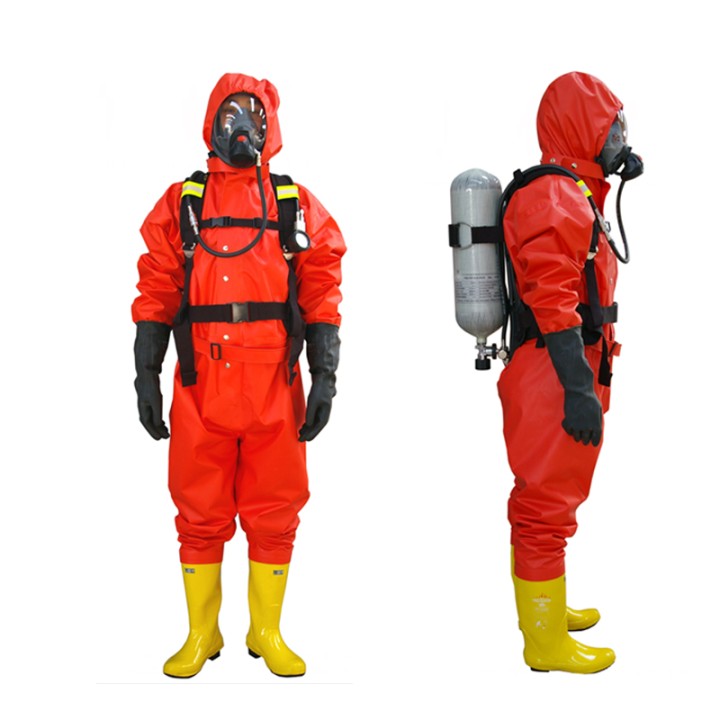
What is an SCBA?
When smoke fills a compartment and alarms sound, a Self-Contained Breathing Apparatus (SCBA) becomes a crew member's lifeline, delivering a reliable pocket of clean air amid hazardous conditions. But an SCBA isn't a single device; it's a system of precisely engineered components working together. This guide covers why SCBA matters onboard a ship and breaks down each of the key SCBA parts and the role it plays in keeping wearers safe.
Why SCBA Matters Onboard a Ship
1. Protection Against Toxic Gases and Smoke
In a fire, hazardous gases like carbon monoxide and cyanide can fill the air. SCBA provides a sealed supply of clean air, letting crew work or evacuate without inhaling dangerous substances.
2. Essential for Firefighting Operations
Firefighting crews often need to enter confined, smoke and heat intense spaces. SCBA allows them to operate without risking asphyxiation or respiratory damage.
3. Support in Rescue Missions
Rescuers equipped with SCBA can navigate smoke-filled or hazardous environments to locate and assist trapped crew or passengers while protecting their own safety.
4. Enhanced Safety During Maintenance and Repairs
Poorly ventilated spaces like cargo holds, tanks and engine rooms can accumulate harmful gases even outside of an emergency. SCBA allows maintenance work to continue safely in these conditions.
5. Increased Crew Confidence
Knowing reliable SCBA is onboard boosts crew morale and confidence, supporting calmer, more effective responses during a crisis.
6. Versatility Beyond Firefighting
SCBA is also used in chemical spill response and other hazardous material situations, making it a genuinely multi-purpose piece of safety equipment.
7. Regulatory Compliance
IMO and SOLAS conventions mandate SCBA on ships. Equipping your vessel correctly satisfies this legal requirement while providing real protection for crew.
The 10 Key SCBA Parts
1. Cylinders
The heart of the apparatus, cylinders hold compressed air, typically at 200 atmospheres, providing the wearer's breathable air supply.
2. Pressure Regulator
Reduces the high-pressure air from the cylinder to a safe, usable level for breathing.
3. Demand Valve
Senses the water's inhalation and delivers air only when needed, optimizing air usage and extending wear time.
4. Exhalation Valve
Routes exhaled air out of the mask, preventing CO2 buildup and ensuring comfortable, continuous breathing.
5. Facemask
Provides a tight seal around the face, preventing the inhalation of contaminated or toxic air.
6. Head Harness
Securely holds the facemask in place, allowing free movement without compromising the seal.
7. Backplate and Harness Assembly
Distributes the weight of the SCBA evenly across the wearer's back, minimizing fatigue and maximizing mobility during use.
8. Pressure Gauge
Provides a visual indication of remaining air pressure in the cylinder, allowing wearers to monitor their air supply in real time.
9. Whistle
An emergency signaling device that alerts others to the wearer's location in case of distress.
10. Communication System
Found in advanced models, some SCBAs include integrated communication systems for crew coordination and situational awareness during an emergency.
SCBA Parts and Their Safety Function
| Component | Safety Function |
| Cylinder | Ensures sufficient air supply for escape and rescue operations |
| Pressure Regulated & Demand Valve | Delivers breathable air at a safe, efficient rate |
| Exhalation Valve | Maintains comfortable breathing, prevents CO2 buildup |
| Facemask & Head Harness | Creates a secure seal, prevents exposure to dangerous fumes |
| Backplate & Harness Assembly | Distributes weight for comfort and mobility |
| Pressure Gauge | Allows wearers to monitor air supply and make informed decisions |
| Whistle & Communication System | Facilitates communication and rescue coordination in emergencies |
Understanding these SCBA parts and their functions helps crew members operate and maintain their equipment effectively, maximizing its life-saving potential in a real emergency.
Frequently Asked Questions (FAQs)
Q. What are the main parts of an SCBA?
A. The main SCBA parts include the cylinder, pressure regulator, demand valve, exhalation valve, facemask, head harness, backplate and harness assembly, pressure gauge, whistle and in advanced models, a communication system.
Q. What does the demand valve do in an SCBA?
A. The demand valve senses the wearer's inhalation and release air only when needed, which optimizes air usage and extends the wearer's total time using the device.
Q. Why is the pressure gauge important on an SCBA?
A. The pressure gauge gives the wearer a real-time visual indication of remaining air supply, allowing them to make informed decisions about how much time they have before needing to exit the hazardous area.
Q. Is SCBA only used during firefighting?
A. No. Beyond firefighting, SCBA is used during rescue missions, routine maintenance in poorly ventilated spaces like tanks and cargo holds, and response to chemical spills or other hazardous material incidents.
Q. Which ports does Marinetech service for SCBA supply and support?
A. Marinetech Safety Pvt. Ltd. provides authorized services and supply at major ports across India, including Mumbai, Nhava Sheva (JNPT), Kandla, Mundra, Pipavav, Hazira, Dahej, Goa, Mangalore, Kochi, Chennai, Ennore, Visakhapatnam, Paradip, Haldia, Kolkata, Tuticorin, Dhamra, Kakinada, Vadinar and Sikka.
Conclusion
Every SCBA part plays a precise role in keeping crew members safe when breathable air matters most. From the air-supplying cylinder to the pressure gauge that tracks remaining supply, understanding these components, and keeping them properly maintained, is essential to maximizing an SCBA's life-saving potential. Contact Marinetech Safety Pvt. Ltd. to explore our full range of SCBAs and related safety equipment.
Supply Email: supply@marinetechss.com
Phone: +91 8866475732 | +91 7227038216