Blog Post
What Is the Liferaft Capacity as per SOLAS Guidelines?
Posted By: Harsh Bamnolia
Posted On : 19-Dec-2025
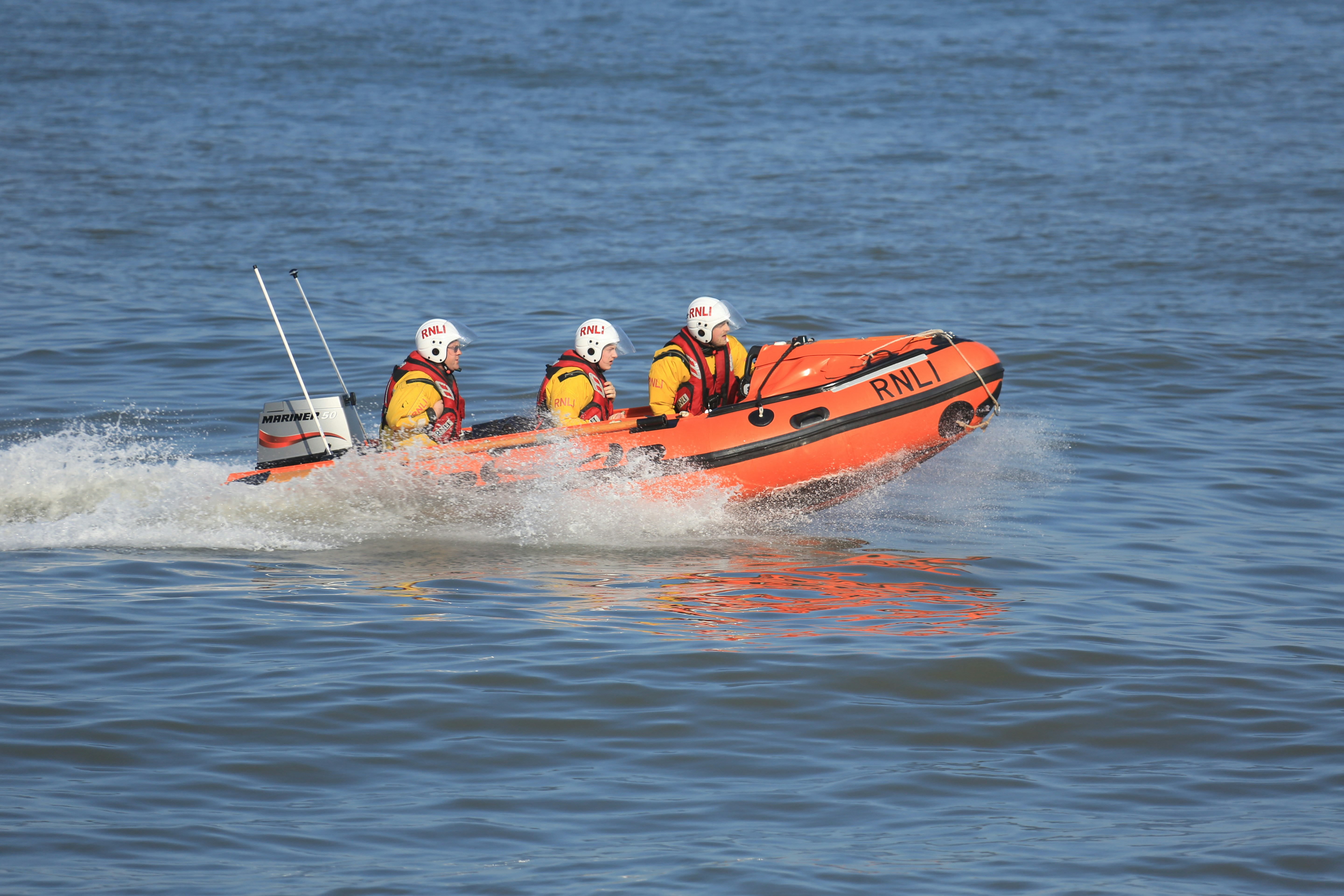
What Is the Liferaft Capacity as per SOLAS Guidelines?
Liferaft capacity as per SOLAS is one of the most critical safety considerations for any sea-going vessel, as it directly determines how many lives can be safely accommodated during an emergency evacuation.
Understanding liferaft capacity as per SOLAS ensures compliance with international maritime regulations and enhances survival readiness during abandonment situations.
This guide explains liferaft capacity standards, vessel requirements, safety principles, and how SOLAS ensures optimal protection for crew and passengers at sea.
Understanding Liferaft Capacity as per SOLAS Regulations
Liferaft capacity as per SOLAS is governed by the International Convention for the Safety of Life at Sea (SOLAS), specifically under Chapter III, which deals with lifesaving appliances and arrangements.
SOLAS mandates that every vessel must carry sufficient liferaft capacity to safely accommodate all persons onboard, including crew and passengers, in the event of an emergency.
The liferaft capacity as per SOLAS is calculated based on the total number of persons onboard and the vessel’s operational profile. SOLAS requires that liferafts be arranged so that survival is possible even if one liferaft becomes unusable during an emergency.
The fundamental principle behind liferaft capacity as per SOLAS is redundancy and survivability. This ensures no single point of failure compromises human life.
How Liferaft Capacity as per SOLAS Is Determined
Liferaft capacity as per SOLAS is not a fixed number but depends on vessel type, size, and operational route. SOLAS defines that ships must carry liferafts capable of accommodating at least 100% of the persons onboard, with additional redundancy depending on ship type.
For example:
Passenger ships must have liferafts sufficient for all passengers and crew, even if one survival craft is lost.
Cargo ships must have liferafts on each side with capacity equal to the total number of persons onboard.
Offshore vessels may require additional capacity based on risk assessment.
The liferaft capacity as per SOLAS ensures that evacuation can be completed safely without overcrowding, which could compromise raft stability and occupant safety.
Types of Liferafts and Their Capacity Ratings
Understanding liferaft capacity as per SOLAS also requires familiarity with different types of liferafts. Liferafts are typically categorized as:
Throw-overboard liferafts
Davit-launched liferafts
Each liferaft type is manufactured with a certified capacity rating, such as 6-person, 10-person, 20-person, or 25-person liferafts. These ratings are determined during approval testing and indicate the maximum number of occupants the liferaft can safely support.
SOLAS requires that the liferaft capacity as per SOLAS considers not just physical space but also weight distribution, buoyancy, stability, and survival equipment weight.
Why Liferaft Capacity as per SOLAS Is Critical for Safety
Liferaft capacity as per SOLAS plays a vital role in survival outcomes during maritime emergencies. Overloading a liferaft reduces stability, increases the risk of capsizing, and limits access to survival equipment.
Correct liferaft capacity ensures:
Adequate space for all occupants
Proper distribution of weight
Effective boarding and seating
Stability in rough seas
Access to emergency rations and equipment
When liferaft capacity as per SOLAS is followed, the chances of survival during prolonged rescue operations increase significantly.
SOLAS Requirements for Liferaft Equipment and Accessories
In addition to defining liferaft capacity as per SOLAS, the convention mandates specific survival equipment to be included in each liferaft. This includes water, food rations, signaling devices, first aid kits, and thermal protective aids.
Immersion suits play a crucial role in conjunction with liferafts, especially in cold-water operations. They help prevent hypothermia and extend survival time until rescue. SOLAS requires immersion suits to be readily accessible and compatible with liferaft use.
Certified liferafts and immersion suits can be explored at https://marinetechss.com/supplies/life-raft-and-accessories
This ensures compliance with international maritime safety standards.
Inspection, Maintenance, and Certification of Liferaft Capacity
Maintaining liferaft capacity as per SOLAS involves regular inspection and servicing by authorized service stations.
Liferafts must be serviced at approved intervals, usually every 12 months, to ensure functionality and compliance.
Maintenance checks include:
Inflation system testing
Inspection of fabric and seams
Verification of survival equipment
Confirmation of capacity markings
Replacement of expired components
Failure to maintain liferafts as per SOLAS standards can result in detentions and operational delays.
Training and Familiarization for Liferaft Use
Understanding liferaft capacity as per SOLAS is not sufficient unless crew members are trained in its use. Crew training should include:
Liferaft deployment procedures
Boarding techniques
Load distribution awareness
Emergency communication protocols
Drills ensure that crew members can deploy and occupy liferafts quickly and safely during emergencies.
Common Non-Compliance Issues Related to Liferaft Capacity
Despite clear regulations, common issues related to liferaft capacity as per SOLAS include:
Insufficient total liferaft capacity
Improper placement of liferafts
Expired or uncertified liferafts
Inadequate crew training
Addressing these issues is critical for compliance and safety.
Why Liferaft Capacity as per SOLAS Is Essential for Maritime Safety
Liferaft capacity as per SOLAS is designed to protect lives in the most extreme circumstances. By enforcing standardized capacity requirements, SOLAS ensures vessels are prepared for worst-case scenarios.
Proper compliance reduces panic, enhances evacuation efficiency, and significantly increases survival rates during maritime emergencies.
Conclusion
Understanding liferaft capacity as per SOLAS is essential for maritime safety, regulatory compliance, and effective emergency preparedness. From selecting the right liferaft size to ensuring proper maintenance and training, every aspect contributes to saving lives at sea.
For SOLAS-approved liferafts, immersion suits, and certified marine safety equipment, explore trusted solutions at https://marinetechss.com/supplies/life-raft-and-accessories
Equip your vessel with the right lifesaving equipment and ensure compliance, confidence, and safety on every voyage.