Blog Post
Is Your Lifeboat Inspection Checklist SOLAS Compliant?
Posted By: Harsh Bamnolia
Posted On : 15-Oct-2025
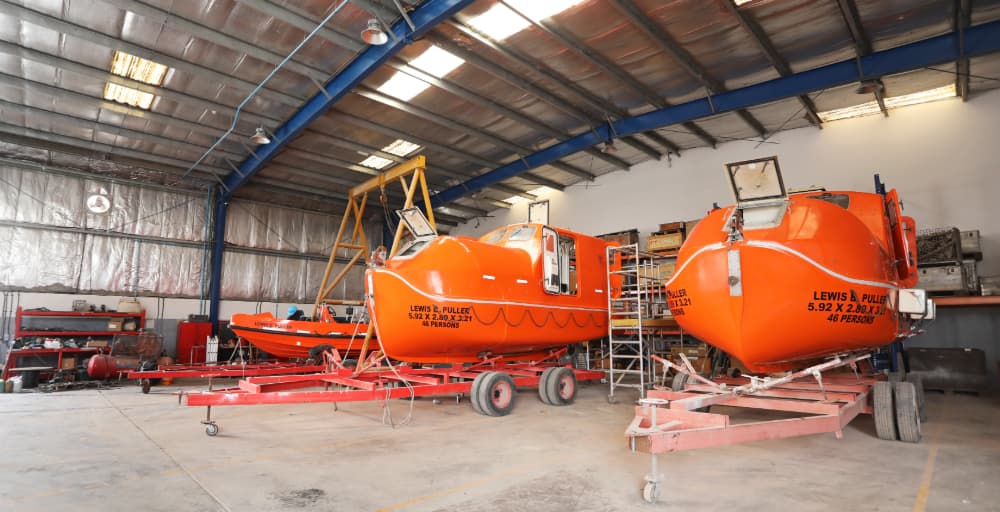
Is Your Lifeboat Inspection Checklist SOLAS Compliant?
Lifeboat inspection checklist requirements are not just best practices—they’re critical to ensuring vessel safety and SOLAS (Safety of Life at Sea) compliance.
From malfunctioning release gear to expired emergency rations, neglecting even minor details in your lifeboat inspection checklist can lead to dire consequences during an emergency.
In this blog, we’ll break down exactly what SOLAS expects in a lifeboat inspection checklist, the mandatory components to include, and how shipowners and safety officers can stay compliant.
Why a SOLAS-Compliant Lifeboat Inspection Checklist Matters
The lifeboat inspection checklist is the foundation of your onboard safety system. SOLAS regulations have evolved over decades in response to real maritime tragedies—making lifeboat readiness non-negotiable.
Failing to meet SOLAS criteria can result in:
Vessel detention by Port State Control
Penalties or fines from Flag Authorities
Legal liabilities in the event of an incident
Most importantly, loss of lives due to equipment failure
Thus, having a lifeboat inspection checklist aligned with SOLAS is essential for passenger ships, cargo carriers, tankers, and offshore support vessels.
What Does SOLAS Say About Lifeboat Inspection Checklists?
The International Maritime Organization (IMO) provides clear guidelines in SOLAS Chapter III - Life-Saving Appliances and Arrangements. According to the regulation:
Every lifeboat must be visually inspected weekly
A detailed operational inspection is required monthly
A drill and inspection with engine running is mandatory every 3 months
All inspections must be documented using a lifeboat inspection checklist
Failure to document these inspections or skipping steps invalidates the effort and puts safety at risk.
Key Items to Include in a Lifeboat Inspection Checklist
An effective lifeboat inspection checklist should address all critical systems and conditions. Here’s what your checklist must include for SOLAS compliance:
1. Structural Integrity
Check for cracks, corrosion, or deformation
Ensure hull integrity, canopy condition, and watertight closures
2. Launching Equipment
Inspect davits, winches, sheaves, and brakes
Ensure smooth operation without jerks or delays
3. Release Mechanisms
Test hydrostatic release units and on-load/off-load release systems
Ensure safety pins are correctly positioned when not in use
4. Propulsion System
Start engine and observe operation for minimum 3 minutes
Check fuel level, battery charge, oil, and cooling water levels
5. Emergency Equipment
Inventory lifejackets, thermal protection aids, and immersion suits
Inspect flares, food rations, drinking water, sea anchor, and first aid kits
6. Communication Gear
Check VHF radios or other GMDSS-approved equipment
Verify operation of search and rescue transponders (SARTs)
7. Lighting and Signaling
Test battery-operated internal lights and searchlight
Ensure whistle, flashlight, and signalling mirror are present and functional
8. Drainage and Bailing
Verify bailing scoop or pump is available
Check condition of drain plugs and scuppers
Each of these items must be clearly listed on your lifeboat inspection checklist to ensure no critical element is missed.
Common Mistakes in Lifeboat Inspection Checklists
Even when companies follow routine procedures, they often fall short of SOLAS expectations due to common checklist errors, such as:
Skipping engine run tests to save time
Failing to test release mechanisms under load
Overlooking expired emergency supplies
Not updating checklists when new equipment is added
Relying solely on visual checks without functional testing
Incomplete documentation, with missing dates or signatures
To avoid these, your lifeboat inspection checklist must be reviewed periodically and used rigorously.
Monthly vs. Quarterly vs. Annual Lifeboat Inspections
Understanding inspection frequency is just as important as having the right checklist:
Each of these inspections must follow a lifeboat inspection checklist that’s tailored to the frequency and depth of the check.
Digital Lifeboat Inspection Checklists: Are They Better?
Yes, many operators now use digital inspection checklists via mobile apps or onboard software. Advantages include:
Real-time logging and timestamping
Immediate alerts for overdue checks
Centralized audit trail for Port State Control or Flag inspections
Integration with maintenance and safety systems
However, whether paper-based or digital, the lifeboat inspection checklist must still align with SOLAS standards.
SOLAS Lifeboat Drill Recommendations
In addition to checklists, SOLAS mandates regular lifeboat drills that simulate real emergencies. These drills help validate:
Crew familiarity with lifeboat inspection checklist items
Speed and efficiency of launch procedures
Ability to correct any functional errors
Drills are especially important for cruise ships, ferries, and vessels carrying large passenger loads.
What Inspectors Look for in Your Lifeboat Inspection Checklist
When boarding for inspection, Port State Control (PSC) and Flag officers usually examine:
Date and frequency of inspections
Completion of all checklist items
Crew familiarity with the checklist
Emergency gear availability and expiry
Signature and rank of the inspecting officer
Being SOLAS-compliant means having your lifeboat inspection checklist up to date and fully filled out.
Conclusion
Your lifeboat inspection checklist is more than just a formality—it’s a safeguard for lives at sea. By ensuring your checklist aligns with SOLAS regulations and is executed consistently, you reduce risks, pass audits with confidence, and, most importantly, stay prepared for emergencies.
Frequently Asked Questions (FAQs)
Q: Is it mandatory to use the SOLAS checklist format?
A: No, but your checklist must cover all SOLAS-required elements.
Q: Who should complete the lifeboat inspection checklist?
A: The Safety Officer or Master usually signs off, but engineers or deck crew may assist.
Q: What happens if your lifeboat checklist is incomplete during inspection?
A: The vessel may receive a deficiency notice, fine, or even detention in port.