Blog Post
Is Orange Smoke a SOLAS-Approved Distress Signal?
Posted By: Harsh Bamnolia
Posted On : 18-Sep-2025
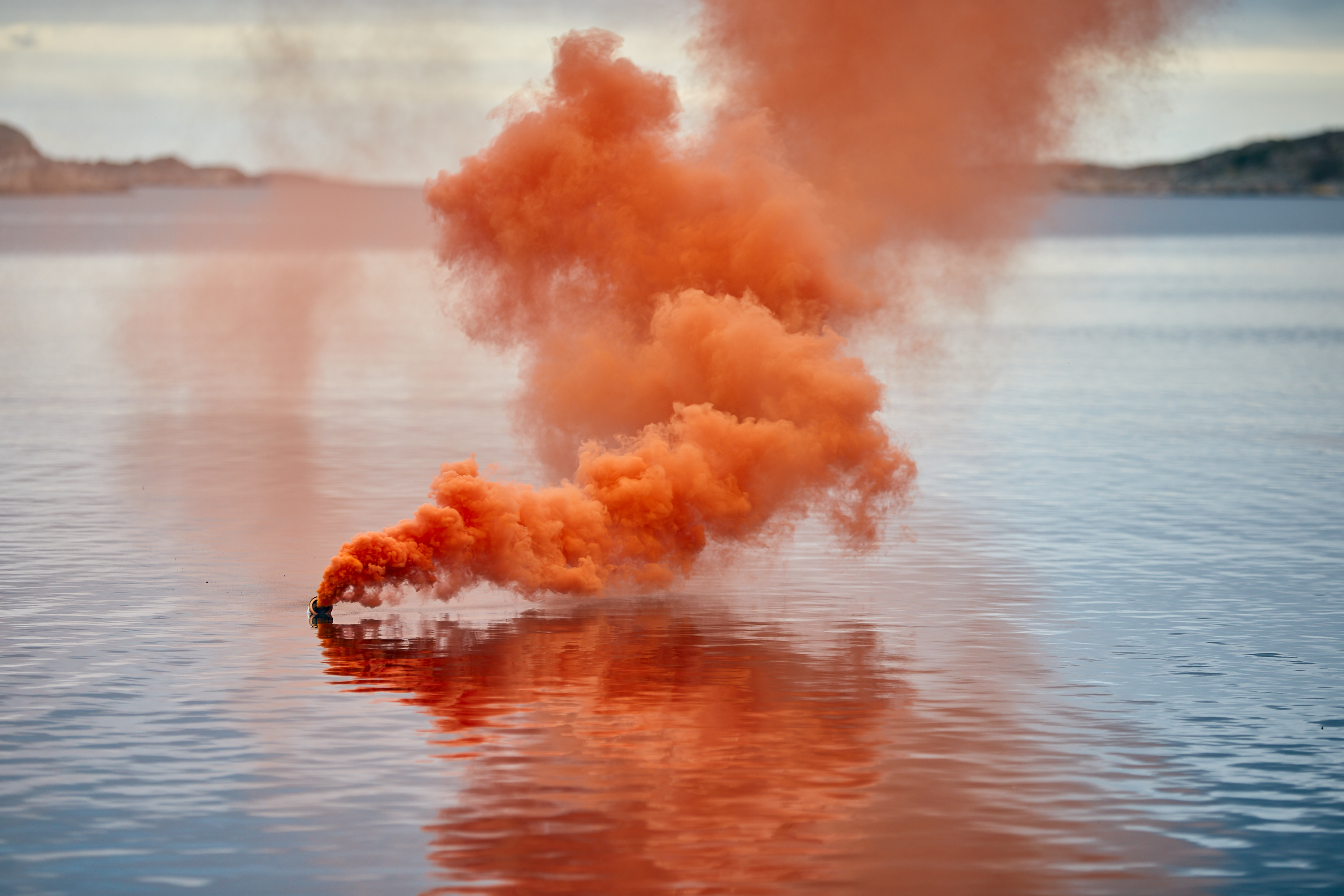
Is Orange Smoke a SOLAS-Approved Distress Signal?
Orange smoke is a crucial part of marine distress signaling equipment, and if you’re wondering whether it meets international safety standards, the answer is yes.
Orange smoke is officially recognized under the SOLAS (Safety of Life at Sea) Convention as a distress signal and is widely used across commercial ships, passenger vessels, yachts, and lifeboats.
In this article, we’ll explore why orange smoke is approved by SOLAS, when and how to use it, what makes it effective, and how it compares to other signaling methods.
Why Orange Smoke Is Used in Maritime Emergencies
The use of orange smoke in marine emergencies is rooted in its high visibility, simplicity, and non-verbal communication power.
During daylight hours, orange smoke is one of the most effective ways to indicate distress to aircraft, ships, or rescue teams scanning the water.
Key reasons orange smoke is used:
Highly visible in daylight (especially in clear skies or over the ocean)
Can be seen from aircraft flying at high altitudes
Creates a distinct, persistent smoke cloud
Does not rely on sound or digital communication
Due to these factors, orange smoke is included in SOLAS Chapter III and the International Life-Saving Appliance (LSA) Code as an essential part of approved safety equipment.
When Should You Use Orange Smoke in an Emergency?
Knowing when to use orange smoke can significantly increase the chances of being rescued. Here are common situations where deploying orange smoke is advised:
1. During Daylight Distress
Unlike red flares or rocket parachute flares, which are most visible at night, orange smoke is specifically designed for daylight use. It’s ideal when:
A ship or aircraft is spotted nearby
Visibility is clear
You're on a liferaft or lifeboat in open water
2. To Mark a Location at Sea
Orange smoke can also mark a position for:
Helicopter rescue operations
Search and rescue teams
Other vessels approaching your position
3. In Man Overboard Situations
Some orange smoke signals come with a floating marker buoy and light, making them useful for locating a person overboard until help arrives.
Important: Smoke signals are only effective when someone is already within sight and actively searching. Don’t waste them if there’s no chance of being seen.
SOLAS Regulations and Orange Smoke Distress Signals
The SOLAS Convention explicitly includes orange smoke in its list of approved daytime distress signals.
As per SOLAS and the LSA Code, the requirements for orange smoke signals include:
Minimum of two smoke signals in lifeboats and life rafts
Buoyant and water-resistant casing
Minimum smoke duration of 3 minutes
Emits dense orange smoke visible from the air and sea
Simple, safe activation process
These devices must also:
Be clearly marked with expiration dates
Be stored in waterproof containers
Undergo annual inspection and replacement if expired
IMO and SOLAS Approval: Only orange smoke signals carrying SOLAS/IMO certification are allowed on internationally registered vessels.
Non-certified signals may result in penalties during marine surveys or audits.
How Does Orange Smoke Compare to Other Marine Distress Signals?
Each distress signal has its ideal use case. Here's how orange smoke compares:
Orange smoke complements other devices. While electronic beacons like EPIRBs alert satellites, visual signals like orange smoke help rescuers locate you visually when nearby.
Safety Tips When Using Orange Smoke
To ensure safety and effectiveness while deploying orange smoke:
Read Instructions: Every signal comes with printed instructions.
Use in Open Air: Never activate in an enclosed space—smoke is dense.
Point Downwind: Hold the canister away from you and point away from the wind.
Hold Firmly: Some units may get hot or emit slight pressure—handle with care.
Dispose Safely: Used or expired signals must be discarded per maritime authority rules.
Training Note: All crew members should undergo regular safety drills to ensure proper use of distress signals, including orange smoke.
Do You Need to Carry Orange Smoke Signals on Your Vessel?
Yes, under SOLAS and flag-state regulations, all sea-going vessels—including cargo ships, tankers, cruise liners, and offshore vessels—must carry approved orange smoke signals as part of their life-saving appliance kits.
Typical carriage requirements include:
2 orange smoke signals per lifeboat or life raft
Stored in an accessible location
Validated by the annual surveyor’s report
Yachts and leisure boats are also recommended (if not required) to carry orange smoke devices, especially for offshore or international travel.
Conclusion: Orange Smoke Saves Lives in Daylight
Orange smoke remains one of the most reliable, cost-effective, and regulated methods of daylight distress signaling in maritime emergencies.
Recognized by SOLAS and the IMO, it plays a critical role in ensuring that help sees and reaches you in time.
Whether you're preparing your vessel for inspection, training your crew, or reviewing your life-saving equipment inventory, don’t overlook the importance of high-quality, SOLAS-approved orange smoke signals.