Blog Post
How to Use Line Throwing Apparatus in Wind: A Step-by-Step Guide
Posted By: Harsh Bamnolia
Posted On : 20-Nov-2025
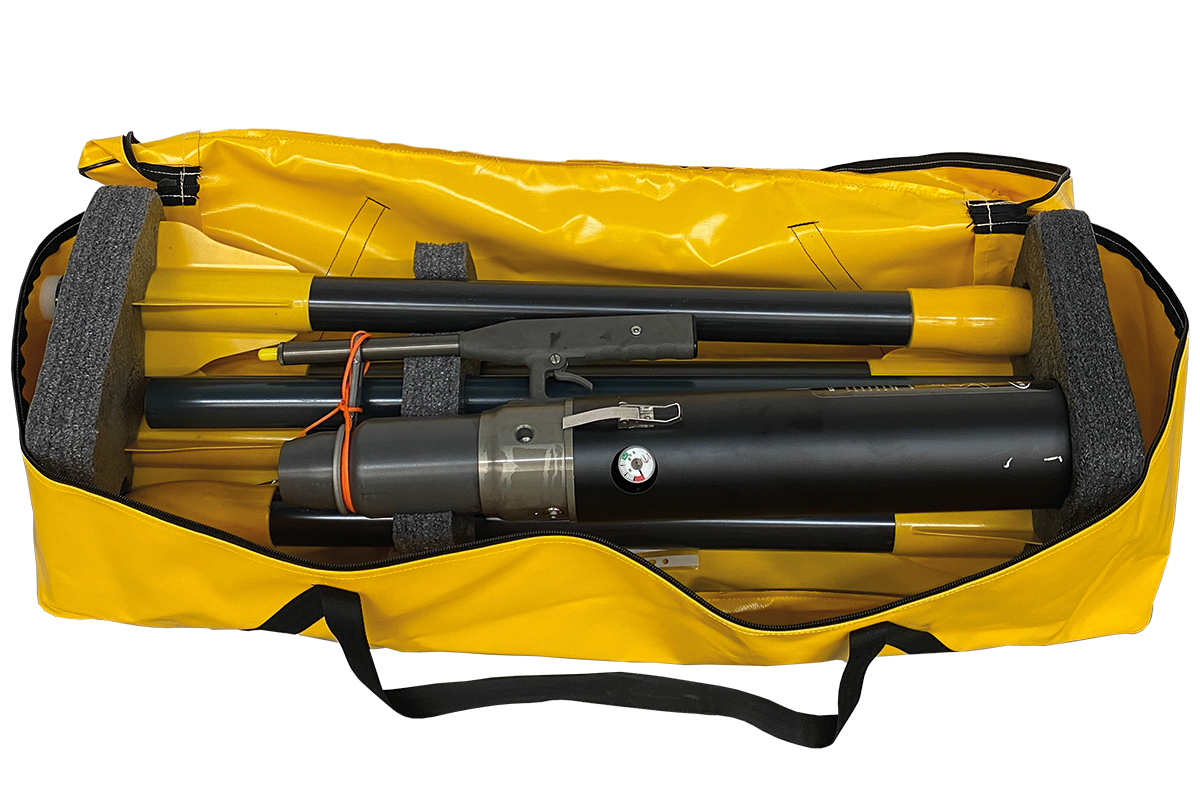
How to Use Line Throwing Apparatus in Wind: A Step-by-Step Guide
How to use line throwing apparatus in wind is a critical skill for maritime safety, especially during emergency situations where accurate rope deployment can mean the difference between rescue and disaster.
Understanding how to use line throwing apparatus in wind ensures effective communication between vessels, successful towing operations, and safe rescue of people at sea.
This detailed guide explains the correct procedure, safety precautions, and best practices to follow when using a line throwing apparatus in windy conditions, aligned with SOLAS and maritime safety standards.
How to Use Line Throwing Apparatus in Wind Safely and Effectively
To understand how to use line throwing apparatus in wind, it is important to first understand what the device is designed to do. A line throwing apparatus is a pyrotechnic or pneumatic device used to project a line over a long distance, usually between ships or from shore to vessel, when direct access is not possible.
When wind conditions are present, accuracy and preparation become even more critical. Wind can alter trajectory, reduce range, or cause misfires if not accounted for properly. Knowing how to use line throwing apparatus in wind helps ensure successful line transfer even under challenging sea conditions.
Before deployment, the operator must assess wind direction, wind speed, sea state, and distance to the target. These factors directly influence the angle and force required for successful deployment.
Understanding the Components Before Using a Line Throwing Apparatus
Before learning how to use line throwing apparatus in wind, it is essential to understand its key components. A standard SOLAS-approved line throwing apparatus includes:
A launcher or firing unit
A projectile with attached line
A lightweight floating line
Ignition or firing mechanism
Storage container with safety instructions
The apparatus is designed to throw a lightweight line first, which can then be used to haul heavier ropes or towing lines.
Proper inspection before use is critical. Ensure the line is neatly coiled, free of tangles, and the projectile is undamaged. A damaged or improperly packed unit can fail during deployment, especially in windy conditions.
Step-by-Step Guide on How to Use Line Throwing Apparatus in Wind
Step 1: Assess Wind Direction and Speed
Before firing, observe the wind direction using flags, smoke, or sea spray. Always aim slightly upwind to compensate for wind drift. Understanding how to use line throwing apparatus in wind starts with accurate wind assessment.
Step 2: Position Yourself Correctly
Stand firmly with a stable stance, keeping your body balanced. Ensure there are no obstacles behind or above you. Positioning plays a major role in safely executing how to use line throwing apparatus in wind.
Step 3: Prepare the Line and Launcher
Ensure the line is free-flowing and not tangled. Check that the projectile is securely attached and the firing mechanism is armed according to manufacturer instructions.
Step 4: Aim with Wind Compensation
Aim slightly higher and into the wind to counteract drift. Strong winds may require increased elevation to maintain trajectory. This adjustment is one of the most important elements of how to use line throwing apparatus in wind effectively.
Step 5: Fire the Line Throwing Apparatus
Fire smoothly and maintain stability. Avoid sudden movements. Once fired, monitor the line as it travels to ensure it reaches the intended target safely.
Step 6: Secure the Line
Once the line reaches the target, secure it properly before pulling heavier ropes or rescue equipment across.
Common Challenges When Using Line Throwing Apparatus in Wind
Understanding how to use line throwing apparatus in wind also means knowing common challenges that can arise, such as:
Wind pushing the projectile off course
Line tangling due to improper packing
Reduced range in strong headwinds
Safety hazards from recoil or misfires
Training and repeated drills significantly reduce these risks and improve response time during emergencies.
Safety Measures While Using Line Throwing Apparatus
Safety is paramount when learning how to use line throwing apparatus in wind. Operators should always:
Wear protective gloves and helmets
Ensure the firing area is clear
Follow manufacturer safety instructions
Never aim directly at personnel
Routine drills help build confidence and ensure muscle memory during real emergencies.
Importance of Line Throwing Apparatus in Rescue Operations
The importance of knowing how to use line throwing apparatus in wind extends beyond routine operations. It plays a vital role in:
Man-overboard situations
Ship-to-ship transfers
Towing disabled vessels
Shore-based rescue operations
In many cases, a correctly deployed line throwing apparatus is the first link between rescue teams and survivors.
Connection Between Line Throwing Apparatus and Immersion Suits
While mastering how to use line throwing apparatus in wind is crucial, it works best when combined with other lifesaving equipment such as immersion suits. Immersion suits protect individuals from hypothermia while awaiting rescue, especially in cold or rough seas.
When line throwing apparatus is used to establish connection, immersion suits provide the thermal protection needed until rescue is complete.
For SOLAS-compliant immersion suits and marine safety equipment, you can explore trusted solutions at https://marinetechss.com/supplies/life-raft-and-accessories
This integration of safety equipment enhances overall survival chances during maritime emergencies.
Training and Maintenance Best Practices
Understanding how to use line throwing apparatus in wind requires regular training and equipment checks. Best practices include:
Conducting routine drills in varying weather conditions
Inspecting expiry dates and mechanical integrity
Repacking lines according to manufacturer instructions
Recording inspections in safety logs
Well-trained crews respond faster and more effectively during real emergencies.
Why Proper Training in Using Line Throwing Apparatus Matters
Improper use of line throwing apparatus can result in equipment failure or injury. Training ensures that crew members understand how to use line throwing apparatus in wind safely and confidently. This knowledge is often assessed during port inspections and emergency drills.
Compliance with SOLAS requirements demonstrates a vessel’s commitment to safety and operational excellence.
Final Thoughts on How to Use Line Throwing Apparatus in Wind
Understanding how to use line throwing apparatus in wind is essential for maritime safety, operational efficiency, and regulatory compliance.
From proper preparation and aiming techniques to integrating immersion suits and safety gear, every step contributes to successful rescue operations.
Mastering this skill ensures that crews are prepared for real-world emergencies, regardless of weather conditions.
Conclusion
For SOLAS-approved line throwing apparatus, immersion suits, and certified maritime safety equipment, explore reliable solutions at https://marinetechss.com/supplies/life-raft-and-accessories
Equip your vessel with the right tools, train your crew effectively, and stay prepared for every maritime emergency.