Blog Post
How Many Pyrotechnics Are Required in a Lifeboat According to SOLAS?
Posted By: Harsh Bamnolia
Posted On : 20-Nov-2025
How Many Pyrotechnics in Lifeboat According to SOLAS?
How many pyrotechnics in lifeboat is one of the most important safety questions asked by ship operators, maritime officers, and compliance managers across the global shipping industry.
Understanding how many pyrotechnics in lifeboat are required under SOLAS regulations ensures vessels remain compliant, crews remain prepared, and rescue operations can be executed effectively during emergencies at sea.
This guide explains the exact SOLAS requirements, safety rationale, and best practices related to pyrotechnics onboard lifeboats.
How Many Pyrotechnics in Lifeboat Are Required Under SOLAS Regulations
To clearly understand how many pyrotechnics in lifeboat are required, one must refer to SOLAS Chapter III and the Life-Saving Appliances (LSA) Code. These international regulations define the minimum safety equipment that every lifeboat must carry.
According to SOLAS, each lifeboat must be equipped with:
4 rocket parachute flares
6 hand flares
2 buoyant smoke signals
This means the total number when evaluating how many pyrotechnics in lifeboat is twelve approved pyrotechnic distress signals per lifeboat. These are mandatory for both passenger and cargo vessels operating internationally and are subject to inspection by port state authorities.
The requirement exists to ensure that survivors can signal for help effectively, regardless of weather conditions, time of day, or location at sea.
Why Understanding How Many Pyrotechnics in Lifeboat Is Critical for Maritime Safety
Knowing how many pyrotechnics in lifeboat are required is not just about passing inspections; it directly impacts survival rates during emergencies. Pyrotechnics serve as visual distress signals that help search and rescue teams locate lifeboats quickly and accurately.
When communication systems fail or power is lost, pyrotechnics become the primary method of alerting nearby vessels or aircraft. This is why SOLAS mandates a combination of long-range and short-range signaling devices.
Failing to comply with how many pyrotechnics in lifeboat regulations can result in:
Vessel detention during Port State Control inspections
Fines and penalties
Delayed voyages
Increased risk to crew lives
Proper knowledge and maintenance of pyrotechnics ensure compliance and safety at sea.
Types of Pyrotechnics Included in How Many Pyrotechnics in Lifeboat
Understanding how many pyrotechnics in lifeboat also requires knowing the function of each type of signal carried onboard.
Rocket Parachute Flares
Rocket parachute flares are designed to reach high altitudes and burn brightly while descending slowly with a parachute. These flares are visible from long distances and are essential during nighttime or low-visibility conditions. They play a crucial role in alerting rescue aircraft or distant vessels.
Hand Flares
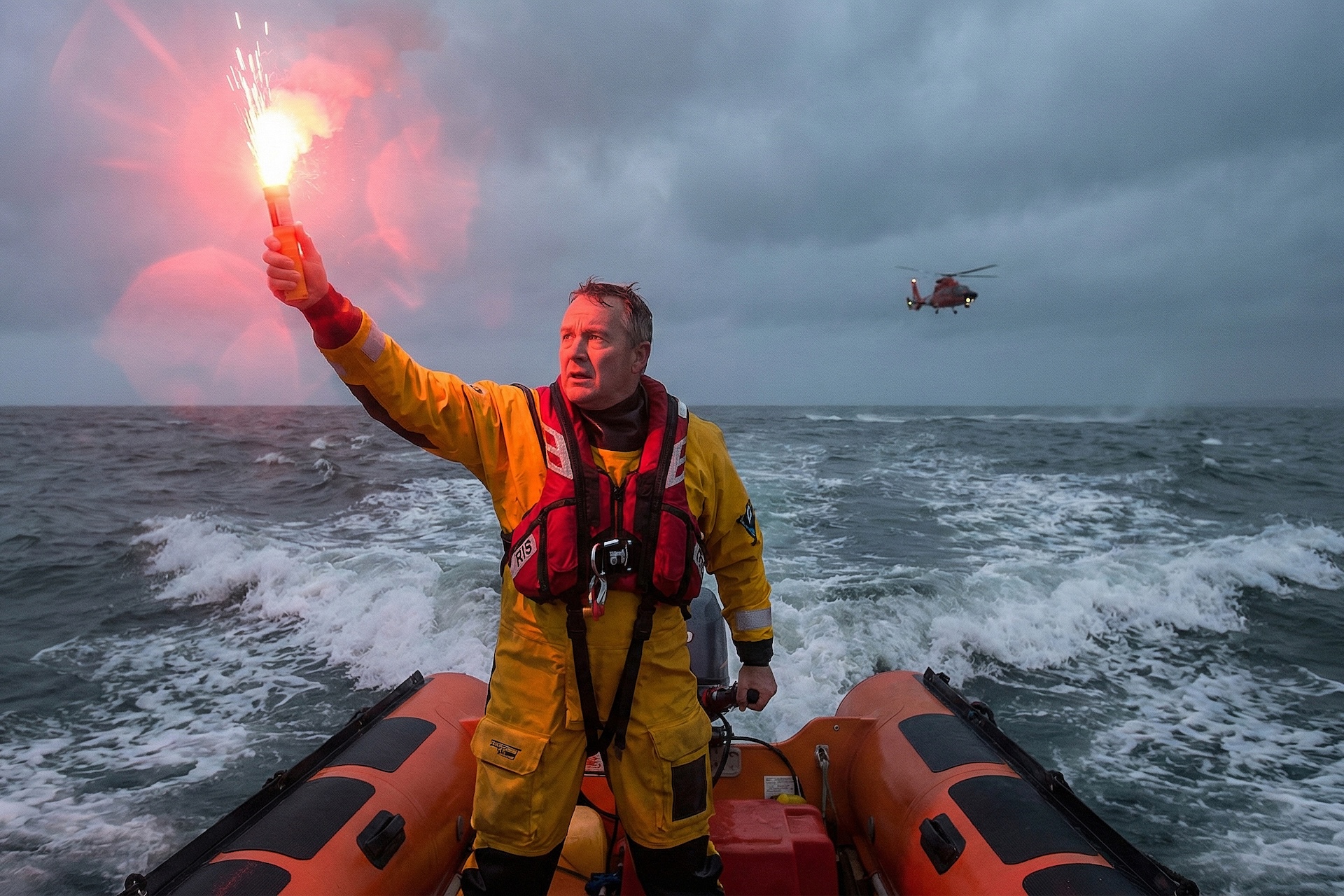
Hand flares are short-range visual distress signals used when rescue units are nearby. They emit intense light and are ideal for pinpointing the exact location of a lifeboat during final rescue approaches.
Buoyant Smoke Signals
Buoyant smoke signals are primarily used during daylight hours. They release dense, colored smoke that remains visible even in windy or rough sea conditions. These signals are particularly effective for aerial search operations.
Together, these three types define how many pyrotechnics in lifeboat are required under SOLAS and ensure visibility in all emergency scenarios.
Storage, Maintenance, and Expiry of Pyrotechnics
Understanding how many pyrotechnics in lifeboat also includes knowing how they must be stored and maintained. SOLAS requires pyrotechnics to be:
Easily accessible inside the lifeboat
Protected from moisture and heat
Clearly marked with expiration dates
Replaced before expiry
Expired pyrotechnics are considered non-compliant and unsafe. During safety audits, inspectors verify both the quantity and validity of all pyrotechnics carried onboard.
Connection Between Pyrotechnics and Immersion Suits
While understanding how many pyrotechnics in lifeboat is essential, it is equally important to recognize their role alongside other lifesaving equipment such as immersion suits. Immersion suits protect crew members from hypothermia in cold water environments and significantly increase survival time.
SOLAS mandates immersion suits depending on vessel type and operating area. When combined with correctly stocked pyrotechnics, immersion suits enhance the effectiveness of abandonment procedures and rescue operations.
Certified marine safety equipment, including pyrotechnics and immersion suits, can be explored at https://marinetechss.com/supplies/pyrotechnics
This ensures vessels are fully compliant with SOLAS and industry best practices.
Training and Awareness on How Many Pyrotechnics in Lifeboat
Understanding how many pyrotechnics in lifeboat is only effective when crew members are properly trained. SOLAS requires regular drills so that crew members can confidently:
Identify each type of pyrotechnic
Use them safely without injury
Select the correct signal based on conditions
Dispose of expired pyrotechnics correctly
Training ensures that during real emergencies, no time is wasted and all equipment is used efficiently.
Common Compliance Mistakes Related to How Many Pyrotechnics in Lifeboat
Some of the most common compliance issues include:
Carrying fewer pyrotechnics than required
Keeping expired or damaged flares onboard
Improper storage inside lifeboats
Lack of crew training
Avoiding these mistakes helps maintain compliance and ensures readiness during emergencies.
Why SOLAS Compliance Matters for Global Shipping Operations
Understanding how many pyrotechnics in lifeboat is a key part of overall maritime safety compliance. Non-compliance can lead to detention, financial loss, and reputational damage. More importantly, it puts lives at risk during emergencies at sea.
Adhering to SOLAS requirements demonstrates a commitment to safety, professionalism, and international maritime standards.
Final Checklist for How Many Pyrotechnics in Lifeboat
To summarize:
4 Rocket Parachute Flares
6 Hand Flares
2 Buoyant Smoke Signals
Proper storage and accessibility
Valid expiry dates
Trained crew members
Meeting these criteria ensures full compliance with SOLAS regulations.
Conclusion
Understanding how many pyrotechnics in lifeboat is a fundamental aspect of maritime safety and regulatory compliance. From correct quantities to proper training and maintenance, every detail plays a vital role in protecting lives at sea.
For SOLAS-approved pyrotechnics, immersion suits, and certified marine safety equipment, explore trusted solutions at https://marinetechss.com/supplies/pyrotechnics