Blog Post
How IR Flame Detectors Safeguard Ships from Fire Hazards?
Posted By: Harsh Bamnolia
Posted On : 20-Jul-2024
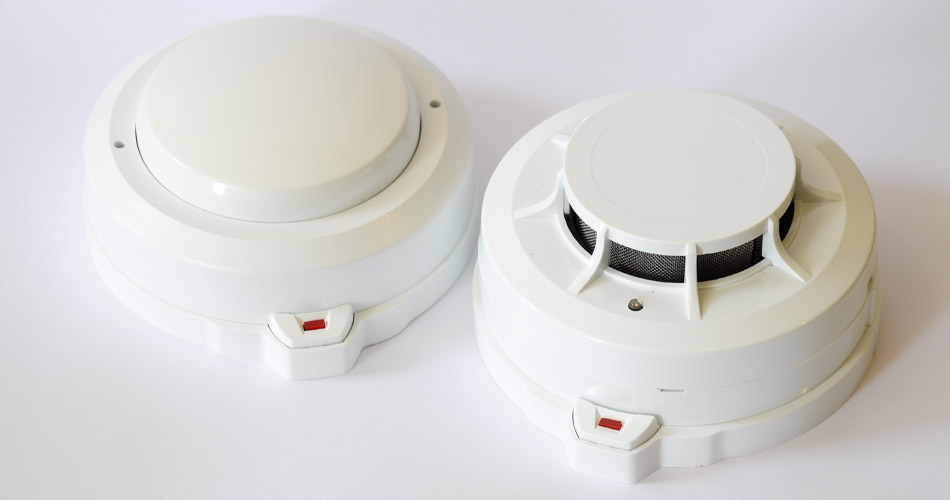
What is an IR Flame Detector on a Ship? Working Principle, Types and Benefits
An IR flame detector is a fire detection device that identifies flames by sensing the infrared (IR) radiation emitted during combustion. Unlike conventional smoke or heat detectors, IR flame detectors can identify a fire within seconds, even before significant smoke develops, making them an essential part of a ship's fixed fire detection and fire protection system.
Installed in high-risk areas such as engine rooms, cargo pump rooms, fuel treatment spaces and machinery compartments, IR flame detectors provide rapid fire detection, enabling crew members to respond quickly and minimized damage. This guide explains how IR flame detectors work, where they are used onboards ships, their benefits and how to choose the right detector for maritime applications.
What is an IR Flame Detector?
An IR flame detector is an electronic fire device that monitors infrared radiation emitted by flames. When it detects the specific infrared wavelengths associated with combustion, it immediately sends a signal to the ship's fire alarm control panel, which activates alarms and, where applicable, automatic fire suppression systems.
Unlike smoke detectors that rely on smoke particles reaching the sensor, IR flame detectors detect the flame itself, allowing for much faster response times.
How Does an IR Flame Detector Work?
IR flame detectors continuously monitor their surroundings for the infrared radiation pattern produced by a fire.
The detection process generally involves:
1. Monitoring infrared radiation within a specific wavelength.
2. Analyzing the flame's flicker frequency to distinguish genuine fires from other heat sources.
3. Confirming the presence of a flame using built-in signal processing.
4. Sending an alarm signal to the vessel's fire detection system.
5. Activating alarms and, if configured, automatic fire suppression systems.
Advanced IR flame detectors use intelligent algorithms to reduce false alarms caused by sunlight, hot machinery, welding or other infrared sources.
Where are IR Flame Detectors Used on Ships?
IR flame detectors are commonly installed in areas where the risk of fire is high or where rapid fire detection is critical.
Typical applications include:
- Engine rooms
- Machinery spaces
- Cargo pump rooms
- Fuel oil treatment rooms
- Incinerator rooms
- Paint stores
- Battery rooms
- Helicopter landing areas (where applicable)
- LNG and LPG handling areas
- Offshore platforms
Their ability to detect open flames quickly makes them ideal for locations where smoke may disperse slowly or ventilation delays smoke detection.
Why are IR Flame Detectors Important on Ships?
1. Early Fire Detection
IR flame detectors identify fires within seconds of ignition, allowing crew members to respond before the fire spreads.
Early detection significantly reduces:
- Equipment damage
- Operational downtime
- Risk to crew
- Fire escalation
2. Rapid Response Time
Unlike conventional smoke detectors, IR flame detectors detect flames almost instantly.
This rapid response enables:
- Immediate crew notification
- Faster firefighting response
- Automatic activation of fire suppression systems
- Reduced damage to critical equipment
3. Reliable Detection in High-Risk Areas
Smoke may not always reach conventional detectors immediately, particularly in large machinery space.
IR flame detectors provide direct flame detection, making them highly effective in:
- Engine rooms
- Pump rooms
- Fuel handling spaces
4. Reduced False Alarms
Modern IR flame detectors use sophisticated signal processing to distinguish real flames from:
- Sunlight
- Hot surfaces
- Welding operations
- Engine exhaust
- Reflected infrared energy
This improves system reliability and reduces unnecessary operational disruptions.
5. Compliance with SOLAS Requirements
Fire detection systems onboard commercial vessels must comply with international maritime safety regulations.
Installing approved IR flame detectors helps support compliance with:
- SOLAS Chapter II-2
- IMO Fire Safety Systems (FSS) Code
- Flag State requirements
- Classification society requirements
6. Protection of Critical Equipment
Early fire detection protects expensive onboard assets, including:
- Main engines
- Generators
- Electrical switchboards
- Fuel systems
- Cargo handling equipment
- Navigation systems
Prompt intervention can significantly reduce repair costs and downtime.
7. Integration with Fire Suppression Systems
IR flame detectors can be integrated with:
- CO2 fire suppression systems
- Water mist systems
- Foam systems
- Deluge systems
- Fire alarm control panels
Automatic integration enables faster fire suppression and improved overall vessel safety.
Key Features of an IR Flame Detector
Modern marine IR flame detectors typically offer:
- High sensitivity
- Fast flame detection
- Long detection range
- Low false alarm rate
- Corrosion-resistant construction
- Wide operating temperature range
- Continuous self-diagnostics
- Easy installation
- Compatibility with marine fire alarm systems
These features ensure dependable performance even in harsh marine environments.
How to Choose the Right IR Flame Detector
Before selecting an IR flame detector for a vessel, consider:
- Detection range
- Response time
- Environmental conditions
- Area classification
- Integration with existing fire alarm systems
- Marine certifications
- Maintenance requirements
- Compliance with SOLAS and IMO standards
Choosing the correct detector improves fire safety while ensuring regulatory compliance.
Why Choose Marinetech for IR Flame Detectors?
Marinetech Safety Pvt. Ltd. supplies high-quality marine IR flame detectors designed for commercial vessels, offshore platforms, ports and industrial marine facilities.
Our IR flame detectors offer:
- High detection accuracy
- Fast response time
- Advanced false alarm immunity
- Rugged marine-grade construction
- Easy integration with existing fire detection systems
- Compliance with international maritime safety standards
We also provide installation support, inspections, testing and a complete range of marine life safety equipment.
Frequently Asked Questions (FAQs)
Q. What is an IR flame detector used for on a ship?
A. An IR flame detector is used to detect open flames quickly by sensing infrared radiation, allowing early fire detection and rapid response in high-risk areas onboard ships.
Q. Where should IR flame detectors be installed?
A. They are typically installed in engine rooms, machinery spaces, cargo pump rooms, fuel handling areas, battery rooms and other locations with a high risk of life.
Q. How is an IR flame detector different from a smoke detector?
A. Smoke detectors respond to smoke particles, whereas IR flame detectors detect the infrared radiation emitted directly by flames, enabling much faster fire detection.
Q. Do IR flame detectors reduce false alarms?
A. Yes. Modern IR flame detectors use advanced signal processing to distinguish genuine flames from sunlight, hot equipment, welding and other infrared sources, significantly reducing false alarms.
Q. Does Marinetech supply IR flame detectors across India?
A. Yes. Marintech Safety Pvt. Ltd. supplies marine IR flame detectors and fixed fire fighting equipment to major ports across India, including Mumbai, Nhava Sheva (JNPT), Kandla, Mundra, Pipavav, Hazira, Dahej, Goa, Mangalore, Kochi, Chennai, Ennore, Visakhapatnam, Paradip, Haldia, Kolkata, Tuticorin, Dhamra, Kakinada, Vadinar and Sikka, supporting commercial vessels with reliable fire detection solutions.
Conclusion
IR flame detectors are a critical part of a ship's fire detection system, providing rapid and reliable flame detection to protect lives, vessels and valuable assets. Their ability to detect fires at an early stage, minimize false alarms, and integrate seamlessly with fire suppression systems makes them indispensable for modern maritime operations.
Marinetech Safety Pvt. Ltd. offers reliable, marine-grade IR flame detectors that comply with international maritime safety standards. Whether you need fire detection solutions for a new vessel or are upgrading an existing system, our experienced team can help you choose the right equipment to enhance onboard safety and maintain regulatory compliance.
Supply Email: supply@marinetechss.com
Phone: +91 8866475732 | +91 7227038216