Blog Post
Fixed Fire Fighting Equipment on Ships: Types, Functions and SOLAS Requirements
Posted By: Harsh Bamnolia
Posted On : 24-Jul-2023
Why Fixed Fire Fighting Equipment on Ships Matters
Maritime fires can turn catastrophic within minutes. Confined spaces, flammable cargo, and limited escape routes make fixed fire fighting equipment on ships one of the most critical components of SOLAS compliance. This guide covers the full range of shipboard fire suppression systems, their functions, and how to keep your vessel inspection ready.
Understanding the Significance of Fixed Fire Fighting Equipment
The safety of ships, their crew, and the cargo they carry relies heavily on the effectiveness of fire prevention and control measures. Fixed fire fighting equipment is an integral part of a ship's safety infrastructure. It is designed to provide immediate response and containment of fires, ensuring that they do not escalate into catastrophic events.
Complete List of Fixed Fire Fighting Equipment Onboard Ships
Fixed fire fighting equipment is strategically installed in various areas of a ship to swiftly combat fires. These systems are designed to work in conjunction with portable fire extinguishers and the vessel's overall fire safety plan. Here is a comprehensive list of fixed fire fighting equipment onboard ships:
1. Fire Extinguishing Systems
CO2 (Carbon Dioxide) Fire Extinguishing System: Commonly installed in engine rooms and enclosed machinery spaces, CO2 systems extinguish fires by displacing oxygen and smothering the flame, ideal for Class B and electrical fires.
Foam Fire Extinguishing System (AFFF): Used to combat flammable liquid fires, foam systems blanket the fuel surface to cut off oxygen supply and prevent re-ignition.
Water Mist Fire Extinguishing System: Water mist systems disperse fine water droplets to cool and suppress fires in machinery spaces without the water damage caused by traditional sprinklers.
Inergen Fire Extinguishing System: An inert gas suppression system designed for sensitive equipment areas like control rooms and server spaces, where water or foam could cause damage.
2. Automatic Sprinkler Systems
Installed in accommodation areas and cargo holds, automatic sprinklers activate at a preset temperature threshold, releasing water to contain fire spread before it escalates.
3. Fire Detection Systems
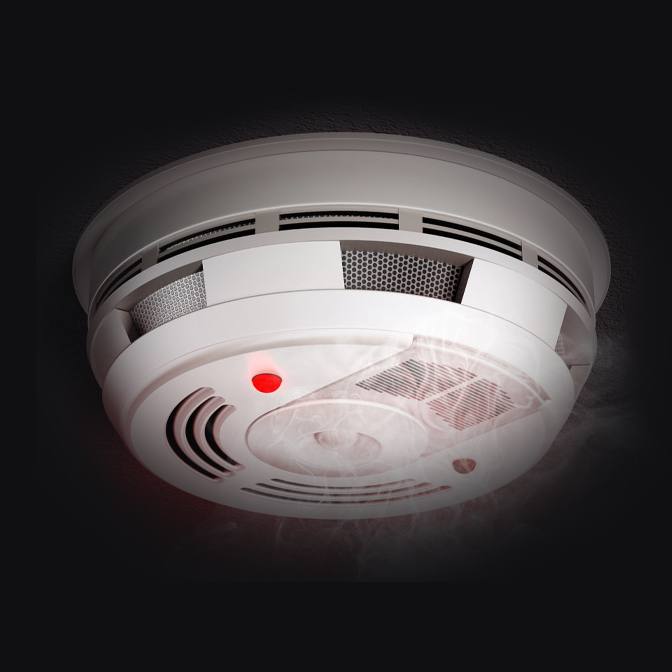
Smoke Detectors provide early warning detection throughout the vessel, triggering alarms and activating suppression systems.
Heat Detectors are used in areas like engine rooms where smoke detectors are impractical due to normal operating conditions.
4. Fire Main System
The fire main system, a network of pipes, hydrants, hoses and nozzles is the ship's primary water supply for fire fighting.
5. Emergency Fire Pumps
Emergency fire pumps provide a backup water supply if the ship's main fire pump or fire main system is compromised, ensuring continuous fire fighting capability.
6. Fire Hydrants and Hoses
Strategically positioned across the vessel, fire hydrants and hoses allow crew to mount a rapid first response to any fire outbreak.
7. Fire Blankets
Typically stored in galleys and kitchen areas, fire blankets smother small fires, particularly effective against cooking oil and grease fires.
8. Fire Doors and Fire DampersFire doors and dampers compartmentalize the ship, containing fire and smoke spread and buying critical time for evacuation and suppression.
9. Fireman's Outfit
A complete fireman's outfit, fire-resistant clothing, helmet, gloves and boots, protects designated fire teams during active fire response.
10. Fire Control Plans
Though not physical equipment, fire control plans are a mandatory SOLAS requirement, mapping the location of all fire fighting systems and outlining the vessel's fire safety layout for crew and port authorities.
SOLAS Compliant Fire Fighting Equipment from Marinetech Safety Pvt. Ltd.
Marinetech Safety Pvt. Ltd. supplies certified, SOLAS compliant fire fighting equipment engineered for the demands of marine environments:
| Product Category | Details |
| SCBA (Self-Contained Breathing Apparatus) | Multiple cylinder materials and gas storage capacities |
| Fire Extinguishers | CO2, foam, water and DCP/ABC types for varied fire classes |
| Fire Hoses | Non-corrosive, flame retardent, multiple sizes |
| Fire Box Cabinets | FRP fire hose boxes and FRP hose boxes |
| Fire Hydrant Valves | John Morris, Machino, Nakajima and Storz flange types |
| Fire Hose Couplings | Nakajima, Machino, Storz and John Morris couplings |
| Fire Hose Nozzles | Storz jet, Nakajima jet and three position switched jet nozzles |
Maintenance and Inspection Best Practices
Fixed fire fighting equipment is only as reliable as its upkeep. To stay SOLAS compliant and mission ready:
- Conduct routine inspections of all extinguishing, detection and suppression systems
- Test fire pumps and hydrants on a scheduled basis
- Run regular fire drills so crew are trained in equipment use
- Log inspections per SOLAS and flag-state documentation requirements
- Replace or service equipment showing wear, corrosion, or pressure loss immediately
Frequently Asked Questions (FAQs)
Q. What is the difference between fixed and portable fire fighting equipment on ships?
A. Fixed equipment is permanently installed (e.g., CO2 systems, sprinklers, fire mains), while portable equipment like handheld extinguishers can be carried and deployed by crew as needed.
Q. Is fixed fire fighting equipment mandatory under SOLAS?
A. Yes. SOLAS Chapter II-2 mandates specific fixed fire fighting systems based on vessel type, size and the spaces being protected.
Q. How often should shipboard fire fighting equipment be inspected?
A. Inspection frequency depends on flag-state and class society requirements, but general practice includes weekly visual checks, monthly operational tests and annual servicing by certified technicians.
Q. Which port does Marinetech Safety Pvt. Ltd. provide service at?
A. Marinetech Safety Pvt. Ltd. provides authorized fire fighting equipements servicing at major ports across India, including Mumbai, JNPT, Kandla, Mundra, Pipavav, Hazira, Dahej, Goa, Mangalore, Kochi, Chennai, Ennore, Vishakhapatnam, Paradip, Haldia, Kolkata, Tuticorin, Dhamra, Kakinada, Vadinar and Sikka. Our experienced technicians carry out SOLAS compliant inspections and maintenance to help vessel maintain safety and regulatory compliance with minimal operational downtime.
Conclusion
Fixed fire fighting equipment onboard ships is a multi-layered defense system, spanning extinguishing agents, detection technology and structural fire containment that keeps crew, cargo and vessels safe at sea. Regular maintenance, crew training and sourcing certified equipment are non-negotiable for SOLAS compliance and operational safety.
Ready to equip your vessel with certified fire safety solutions? Contact Marinetech Safety Pvt. Ltd. today to explore SOLAS compliant fire fighting equipment built for the maritime industry.