Blog Post
Fireman Outfit: Types, Components, Standards and Buying Guide
Posted By: Harsh Bamnolia
Posted On : 19-Apr-2024
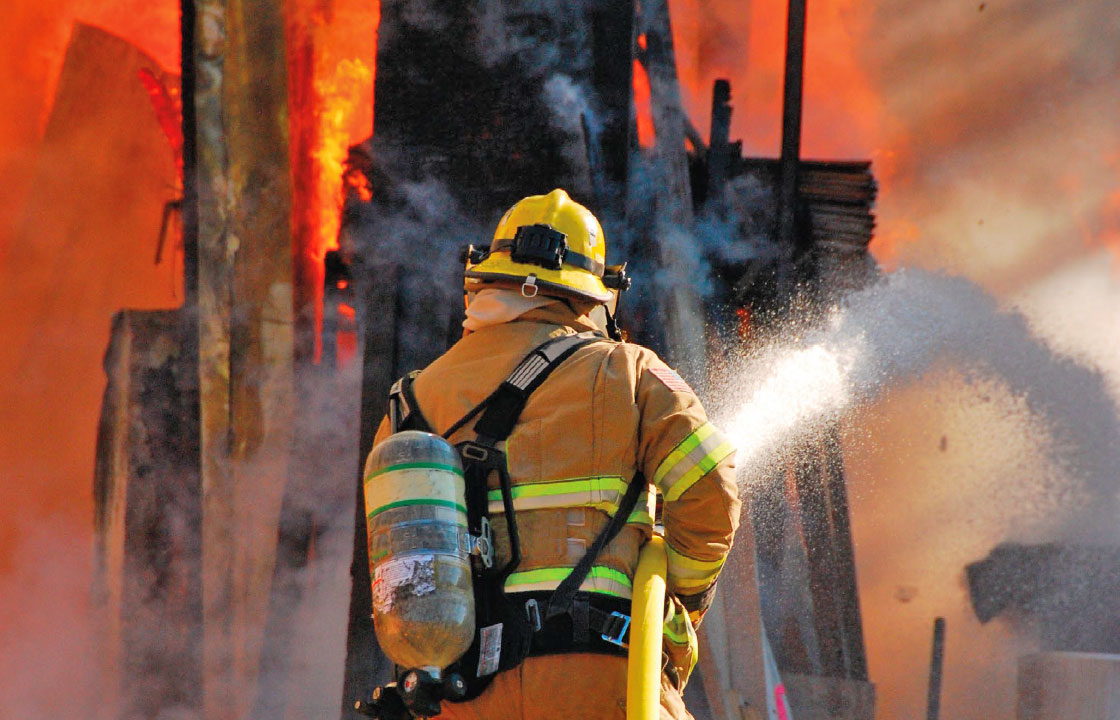
Fireman outfits are among the most critical pieces of personal protective equipment (PPE) used by firefighters to protect themselves against extreme heat, flames, smoke and hazardous environments. Whether responding to structural fires, industrial incidents, offshore emergencies or rescue operations, a properly certified fireman outfit significantly improves firefighter safety and operational efficiency.
This guide explains the components of a fireman outfit, applicable safety standards, maintenance requirements and how to choose the right protective gear for your firefighting applications.
What is a Fireman Outfit?
A fireman outfit, also known as firefighter turnout gear or firefighting protective clothing, is a complete set of personal protective equipment designed to protect firefighters from thermal hazards, flames, radiant heat, steam, hot liquids and mechanical injuries during emergency response operations.
A complete fireman outfit generally includes:
- Fire-resistant jacket
- Fire-resistant trousers
- Firefighter helmet
- Protective gloves
- Firefighter boots
- Hood
- Self-Contained Breathing Apparatus (SCBA) (when required)
Each component works together to provide comprehensive protection while allowing firefighters to perform demanding rescue and firefighting tasks.
Why are Fireman Outfits Important?
Firefighters regularly operate in extremely hazardous conditions where exposure to high temperatures, smoke, toxic gases and falling debris is common.
A certified fireman outfit helps:
- Protect against flames and radiant heat
- Reduce burn injuries
- Improve visibility in low-light environments
- Protect against cuts, abrasions and punctures
- Enhance mobility during rescue operations
- Increase firefighter confidence and operational safety
Without appropriate protective clothing, firefighters face significantly greater risks during emergency response.
Components of a Fireman Outfit
1. Fire-Resistant Jacket and Trousers
The jacket and trousers form the primary protective barrier.
They are manufactured using advanced fire-resistant materials that provide protection against:
- Direct flame exposure
- Radiant heat
- Convective heat
- Steam burns
- Mechanical abrasion
Modern turnout gear also incorporates moisture barriers and thermal liners for additional protection and comfort.
2. Firefighter Helmet
A firefighter helmet protects the head against:
- Falling objects
- Impact injuries
- Heat exposure
- Electrical hazards (depending on design)
Many helmets also include:
- Face shields
- Eye protection
- Neck protectors
- Helmet-mounted flashlights
3. Firefighter Gloves
Firefighter gloves are designed to provide:
- Heat resistance
- Flame resistance
- Cut protection
- Grip during wet conditions
- Dexterity for operating firefighting equipment
Proper gloves allow firefighters to safely handle hoses, ladders, valves and rescue equipment.
4. Firefighter Boots
Firefighter boots protect against:
- High temperatures
- Water ingress
- Sharp objects
- Slips
- Electrical hazards
High-quality boots also provide excellent ankle support for demanding rescue operations.
5. Fire Hood
A fire-resistant hood protects areas not covered by the helmet and jacket, including:
- Neck
- Ears
- Jaw
- Upper shoulders
This additional protection helps minimize thermal injuries.
6. Self-Contained Breathing Apparatus (SCBA)
An SCBA provides clean breathing air when firefighters operate in:
- Smoke-filled spaces
- Oxygen deficient environments
- Chemical incidents
- Toxic atmospheres
It is an essential component during structural firefighting and confined space rescue.
Types of Fireman Outfits
Different emergency situations require different levels of protection.
Structural Firefighting Gear
Designed for:
- Building fires
- Residential fires
- Commercial fires
- Industrial fires
Provides maximum thermal protection and durability.
Proximity Firefighting Suit
Used for:
- Aircraft rescue
- Fuel fires
- Offshore installations
- LNG terminals
- Refineries
These suits include reflective outer layers that help resist radiant heat.
Wildland Firefighting Clothing
Designed for:
- Forest fires
- Grass fires
- Bushfires
These garments prioritize lightweight construction and breathability while maintaining flame resistance.
Chemical Protective Fire Suits
Used during:
- Hazardous material incidents
- Chemical spills
- Industrial accidents
These suits provide additional resistance against chemical exposure.
International Standards for Fireman Outfits
When purchasing firefighter protective clothing, ensure it complies with recognized international standards.
Common standards include:
- EN 469 - Protective clothing for firefighters
- ISO 11999 - PPE for firefighters
- NFPA 1971 - Standard on Protective Ensembles for Structural Fire Fighting
- SOLAS requirements for shipboard firefighter outfits
- IMO Fire Safety Systems (FSS) Code
Selecting certified equipment helps ensure compliance and reliable protection.
Inspection and Maintenance of Fireman Outfits
Fireman outfits should be inspected regularly to ensure they remain safe and effective.
Routine checks include:
- Tears or cuts in the fabric
- Damaged reflective tape
- Broken zippers
- Loose stitching
- Contamination from chemicals or oil
- Helmet damage
- Glove wear
- Boot sole condition
Damaged protective clothing should be repaired or replaced immediately.
How to Choose the Right Fireman Outfit
Before purchasing firefighter PPE, consider:
- Type of firefighting operations
- Applicable safety standards
- Thermal protection level
- Comfort and mobility
- Weight
- Breathability
- Compatibility with SCBA
- Durability
- Ease of maintenance
Selecting the correct equipment improves both firefighter safety and operational performance.
Frequently Asked Questions (FAQs)
Q. What is included in a fireman outfit?
A. A complete fireman outfit typically includes a fire-resistant jacket, trousers, helmet, gloves, boots, fire hood, and where required a Self-Contained Breathing Apparatus (SCBA).
Q. What standards should a fireman outfit comply with?
A. Fireman outfits should comply with recognized standards such as EN 469, NFPA 1971, ISO 11999 and applicable SOLAS and IMO requirements for marine firefighting.
Q. Can damaged fireman outfits be repaired?
A. Minor repairs may be carried out by authorized personnel using approved methods. However, severely damaged protective clothing should be replaced to ensure firefighter safety.
Q. Does Marinetech supply fireman outfits across India?
A. Yes. Marinetech Safety Pvt. Ltd. supplies certified fireman outfits and marine firefighting equipment to major ports across India, including Mumbai, Nhava Sheva (JNPT), Kandla, Mundra, Pipavav, Hazira, Dahej, Goa, Mangalore, Ennore, Kochi, Chennai, Visakhapatnam, Paradip, Haldia, Kolkata, Tuticorin, Dhamra, Kakinada, Vadinar and Sikka, ensuring timely delivery and support for commercial vessels and offshore operators.
Conclusion
A fireman outfit is far more than protective clothing, it's a firefighter's primary defense against extreme heat, flames, smoke and hazardous environments. Choosing certified, high-quality firefighter PPE and maintaining it through regular inspections are essential for ensuring the safety of emergency response teams and meeting international safety standards.
Whether you're equipping a commercial vessel, offshore platform, port facility or industrial operation, Marinetech Safety Pvt. Ltd. offers reliable firefighting equipment and protective gear to help safeguard lives and maintain operational readiness.
Supply Email: supply@marinetechss.com
Phone: +91 8866475732 | +91 7227038216