Blog Post
What Is the Difference Between SOLAS A Pack and B Pack in Life Rafts?
Posted By: Harsh Bamnolia
Posted On : 20-Nov-2025
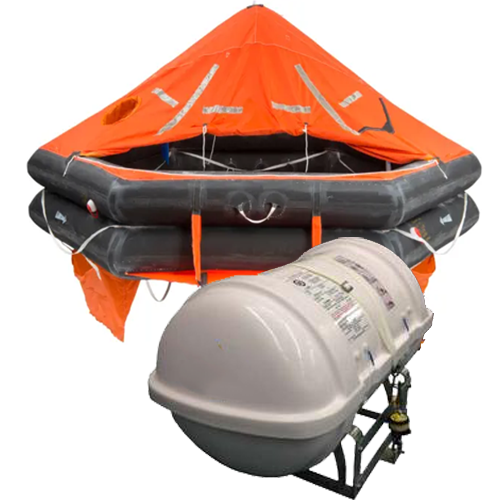
What Is the Difference Between SOLAS A Pack and B Pack in Life Rafts?
SOLAS A Pack and B Pack are critical safety configurations defined under the SOLAS (Safety of Life at Sea) Convention, and understanding the difference between SOLAS A Pack and B Pack is essential for shipowners, operators, safety officers, and maritime professionals.
The distinction between SOLAS A Pack and B Pack determines the survival equipment included inside a life raft and directly impacts crew safety, regulatory compliance, and operational readiness at sea.
This detailed guide explains SOLAS A Pack and B Pack in depth, covering their purpose, components, regulatory relevance, and real-world application in maritime operations.
What Is the Difference Between SOLAS A Pack and B Pack in Life Rafts
To understand SOLAS A Pack and B Pack, it is important to first understand their purpose under SOLAS Chapter III and the Life-Saving Appliances (LSA) Code. Life rafts must be equipped with emergency survival equipment depending on the vessel’s operational area and voyage type.
The difference between SOLAS A Pack and B Pack lies in the quantity and range of survival equipment provided inside the life raft.
SOLAS A Pack is designed for longer voyages and ocean-going vessels, while SOLAS B Pack is intended for shorter voyages or vessels operating closer to shore. Both packs are compliant with SOLAS but serve different operational risk profiles.
Understanding SOLAS A Pack and B Pack helps shipowners choose the correct safety configuration and ensures vessels pass Port State Control (PSC) inspections.
SOLAS A Pack Explained in Detail
SOLAS A Pack is the more comprehensive and safety-intensive configuration of the two. It is designed for vessels operating on international voyages where rescue may take longer due to distance from shore.
A SOLAS A Pack typically includes:
Rocket parachute flares
Hand flares
Buoyant smoke signals
Emergency rations
Freshwater supply
First aid kit
Thermal protective aids
Sea sickness tablets
Bailer and sponge
Repair kit
Torch with spare batteries
Survival instructions
Fishing tackle
The purpose of SOLAS A Pack is to ensure crew survival for extended durations in open sea conditions. When discussing SOLAS A Pack and B Pack, A Pack is always associated with higher survivability and enhanced emergency preparedness.
SOLAS A Pack is mandatory for:
Ocean-going cargo vessels
Passenger ships on international voyages
Offshore vessels operating far from shore
SOLAS B Pack Explained in Detail
SOLAS B Pack is a reduced version of the A Pack and is used when vessels operate closer to shore or in areas where rescue is expected within a shorter timeframe.
A typical SOLAS B Pack includes:
Rocket parachute flares
Hand flares
Buoyant smoke signals
Basic first aid kit
Torch and batteries
Survival instructions
Unlike SOLAS A Pack, the B Pack does not include extended survival supplies such as food, water, or fishing equipment. This distinction clearly defines how SOLAS A Pack and B Pack differ in function and intended usage.
SOLAS B Pack is generally approved for:
Coastal vessels
Short international voyages
Ships operating in regulated rescue zones
Understanding SOLAS A Pack and B Pack ensures compliance without unnecessary cost or over-equipping.
Key Differences Between SOLAS A Pack and B Pack
The primary difference between SOLAS A Pack and B Pack lies in the level of self-sufficiency provided to survivors. SOLAS A Pack is designed for survival over extended periods, while SOLAS B Pack assumes faster rescue response.
Key comparison points include:
Duration of survival support
Quantity of emergency supplies
Suitability for voyage type
Regulatory application
Selecting the correct option is not only a compliance requirement but also a critical safety decision.
Role of Immersion Suits Alongside SOLAS A Pack and B Pack
When discussing SOLAS A Pack and B Pack, it is essential to understand their relationship with immersion suits. Immersion suits are designed to protect individuals from hypothermia in cold water conditions and are often required in conjunction with life rafts.
Immersion suits significantly enhance survival chances by:
Reducing heat loss
Providing buoyancy
Protecting against wind and water exposure
For vessels operating in cold climates or international waters, immersion suits are often mandatory alongside SOLAS A Pack configurations.
You can explore SOLAS-compliant life rafts, immersion suits, and safety accessories at https://marinetechss.com/supplies/life-raft-and-accessories
This ensures vessels meet international maritime safety standards.
Why Understanding SOLAS A Pack and B Pack Is Critical for Compliance
Misunderstanding SOLAS A Pack and B Pack can result in non-compliance during inspections, vessel detentions, or fines. Port State Control (PSC) officers regularly inspect life rafts to ensure the correct pack type is installed based on the vessel’s certification.
Common compliance issues include:
Installing B Pack where A Pack is required
Missing or expired safety items
Improper servicing intervals
Lack of documentation
Ensuring the correct SOLAS A Pack and B Pack configuration helps avoid operational disruptions and enhances crew safety.
Training and Awareness for SOLAS A Pack and B Pack
Crew members must be trained to understand the contents and usage of SOLAS A Pack and B Pack. Training should include:
Identifying equipment inside the life raft
Knowing when and how to deploy safety items
Understanding differences between A Pack and B Pack
Conducting regular safety drills
This knowledge ensures effective response during emergencies and maximizes survival chances.
Final Thoughts on SOLAS A Pack and B Pack
Understanding SOLAS A Pack and B Pack is essential for maritime safety, regulatory compliance, and operational readiness. Choosing the correct life raft configuration ensures that vessels are prepared for emergencies, regardless of location or voyage duration.
Whether operating coastal routes or deep-sea voyages, selecting the appropriate SOLAS pack protects lives and ensures compliance with international safety standards.
For SOLAS-compliant life rafts, immersion suits, and certified safety equipment, explore trusted marine safety solutions at https://marinetechss.com/supplies/life-raft-and-accessories
Ensure your vessel is equipped with the right SOLAS A Pack and B Pack to stay compliant, prepared, and protected at sea.