Blog Post
Are Lifeboats on Ships Mandatory Under SOLAS?
Posted By: Harsh Bamnolia
Posted On : 15-Oct-2025
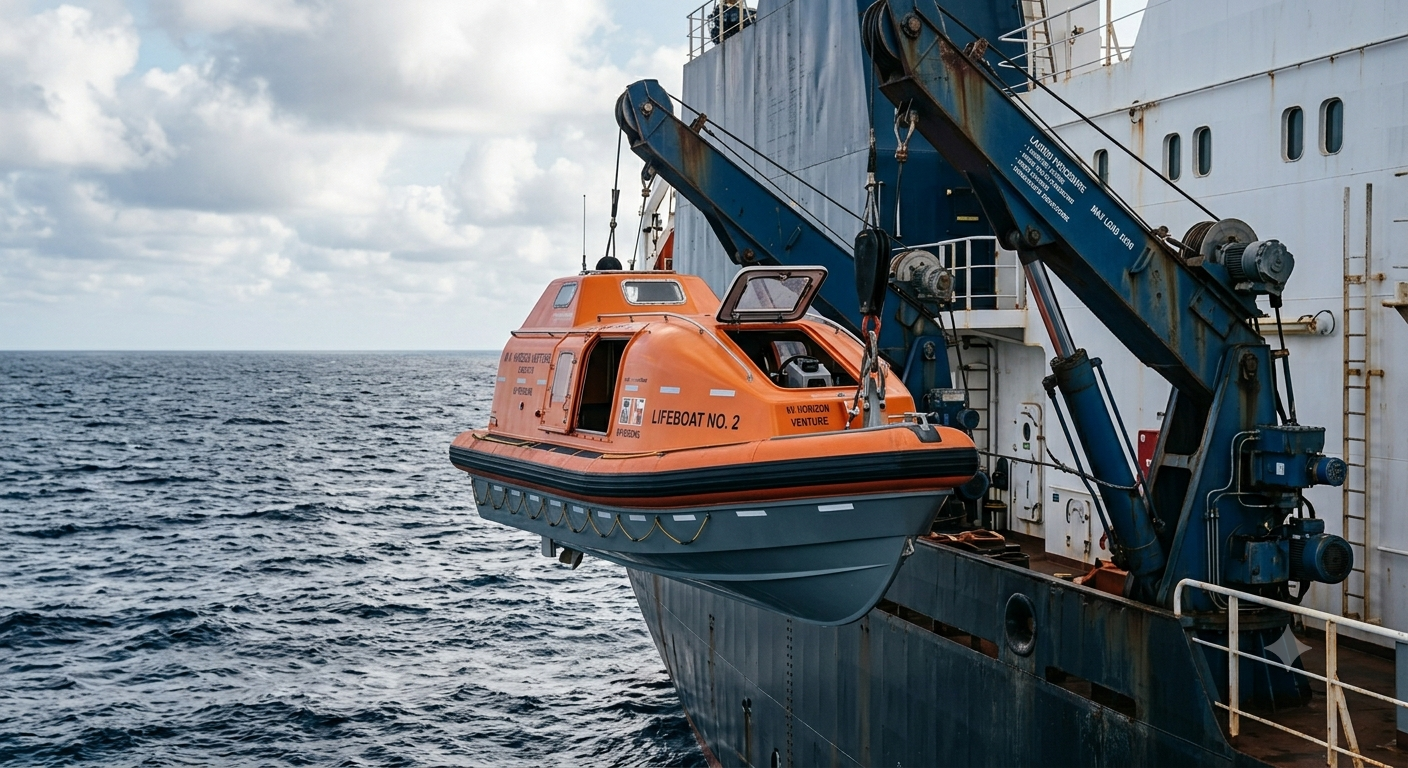
Are Lifeboats on Ships Mandatory Under SOLAS?
Lifeboats on ships are not just a legal formality — they are critical lifesaving equipment that can mean the difference between survival and tragedy at sea.
Whether you're an officer, seafarer, maritime business owner, or shipbuilder, understanding the role, regulation, and types of lifeboats on ships is essential.
In this blog, we explore why lifeboats on ships are mandatory under SOLAS, the types available, key requirements, and the common mistakes shipping companies make that can cost lives — and licenses.
Why Are Lifeboats on Ships Crucial?
The primary function of lifeboats on ships is to provide a reliable and safe means of abandoning the vessel during an emergency.
Fires, collisions, grounding, and flooding can lead to situations where the crew must abandon ship — and this is when lifeboats on ships become the last line of defense.
According to the International Maritime Organization (IMO), thousands of lives have been saved thanks to properly functioning lifeboats on ships, which were in compliance with international safety standards.
What Is SOLAS and What Does It Say About Lifeboats?
The SOLAS (Safety of Life at Sea) Convention is the most important international treaty governing the safety of merchant ships.
Under SOLAS Chapter III — Life-saving appliances and arrangements — it is mandatory for most seagoing vessels to be equipped with lifeboats and other survival gear.
Here's what SOLAS mandates about lifeboats on ships:
Cargo Ships (over 85 meters): Must have at least two lifeboats — one on each side.
Passenger Ships: Need enough lifeboats for every person on board, including provisions for launching within a specific time frame.
Tankers: Must have enclosed lifeboats due to the risk of fire or toxic environments.
Types of Lifeboats on Ships (SOLAS Approved)
There are several types of lifeboats on ships, each designed for different vessel types and maritime conditions:
1. Open Lifeboats
These are rare today, as SOLAS discourages their use. They are exposed and offer limited protection from the elements.
2. Partially Enclosed Lifeboats
These provide partial cover from weather and sea spray. Still allowed under SOLAS but being phased out.
3. Totally Enclosed Lifeboats
The most common SOLAS-compliant lifeboats on ships today. These are fire-protected and resistant to capsizing.
4. Free-Fall Lifeboats
Mounted at the aft of the ship, these drop freely into the water during emergencies. Suitable for quick evacuation.
Lifeboat Capacity Requirements Under SOLAS
The number and capacity of lifeboats on ships must match the number of people onboard. Here’s how SOLAS breaks it down:
Each side of the ship must carry lifeboats that can accommodate at least 50% of the total persons onboard.
The remaining 100% capacity can be covered using liferafts, but at least one lifeboat must be able to launch even if the ship is listing at 20 degrees.
Launching Time and Requirements
One of the most stringent SOLAS mandates is the launching time. All lifeboats on ships must be capable of launching:
Within 10 minutes for passenger ships.
Within 5 minutes for cargo vessels (from the moment of abandon ship signal).
Able to operate in dead ship conditions — no main power, no hydraulic support.
Equipment Every Lifeboat Must Carry (SOLAS Checklist)
To be fully compliant, lifeboats on ships must be stocked with the following SOLAS-mandated items:
Compass
Sea anchor
Bailer and bucket
Signaling mirror
Emergency rations and water
Fishing tackle
Flares and smoke signals
First-aid kit
Thermal protective aids
Survival manual
Lifeboat Drills and Maintenance
It’s not enough to just have lifeboats on ships; regular drills and maintenance are legally and operationally essential. According to SOLAS:
Monthly inspections are mandatory.
Quarterly launching drills must be conducted for each crew member.
Annual load tests are required.
Launching and retrieval systems must be tested and maintained regularly.
Common Compliance Mistakes
Despite clear regulations, many companies fail in proper upkeep of lifeboats on ships. The most common errors include:
Outdated equipment not fit for modern emergencies.
Lack of training among crew members in launching and operating lifeboats.
Rusty or malfunctioning davits (lifeboat launching mechanisms).
Inadequate documentation of inspections and repairs.
These lapses can lead to detentions during port state inspections or even fatal consequences during actual emergencies.
Real-Life Incidents That Highlight Importance
Several maritime disasters have shown the importance of lifeboats on ships:
In the Costa Concordia disaster, improper deployment of lifeboats caused delays that cost lives.
During the MV Derbyshire tragedy, a lack of effective launching systems was identified as a major failure point.
In multiple recent Port State Control (PSC) reports, lifeboat non-compliance is one of the top 10 reasons for vessel detentions.
Why Lifeboats on Ships Are More Than a Regulatory Requirement
Many ship owners and operators see lifeboats as a checkbox in audits. But the truth is, having reliable lifeboats on ships is a business and human necessity.
They:
Reduce liability in emergencies
Enhance crew confidence and morale
Improve vessel rating and compliance
Avoid costly detentions and fines
Final Word: Stay SOLAS-Compliant, Stay Safe
Having SOLAS-compliant lifeboats on ships is not optional — it is the law, and more importantly, it is a lifeline.
Proper procurement, regular inspection, and timely crew training can save not just penalties but lives.
If you are in the marine industry — from shipbuilding to crew management — make sure your lifeboats on ships are ready to serve when it matters most.
Need help ensuring your vessel’s lifeboats meet SOLAS standards? Contact Marinetech Safety Pvt. Ltd., for audit support, equipment procurement, and training modules.